

MASKING FOR PAINTING
Paint masking tape: choose crepe tapes for masking
For painting, masking tape needs suitable adhesion and must support a clean paint edge. Here you will find crepe tapes for masking work; check each tape against the substrate, contour, drying process and planned removal.
01
Subcategories
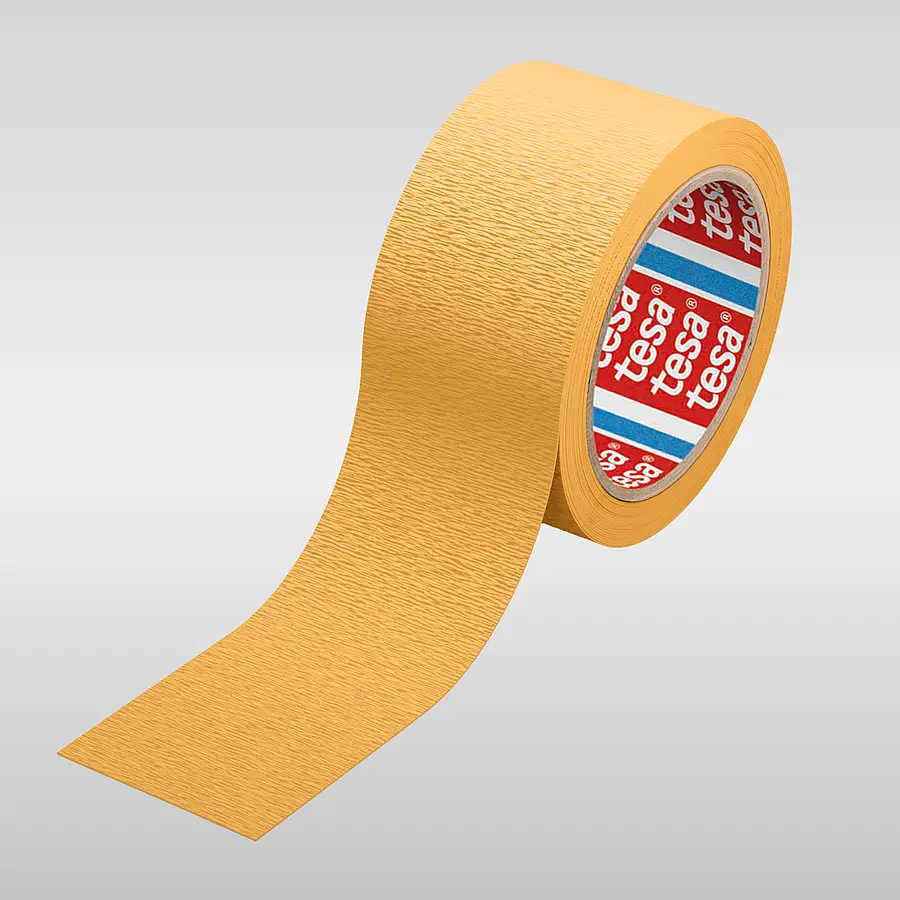
tesa painter's tape
02
Selection criteria
Which features matter when choosing a tape?
Match the backing to the shape: a creped paper backing can follow curves and profiles, while a thin PVC fine line tape may suit tight contours and flat paint edges. Also check adhesion to the actual substrate, the paint system, drying conditions and the intended removal time for the individual product.
03
CREPE TAPE RANGE
Crepe tapes in the range
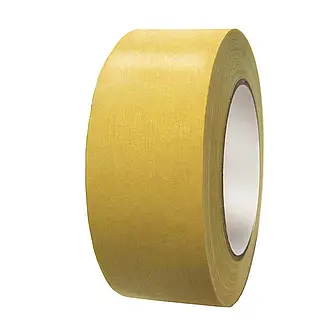
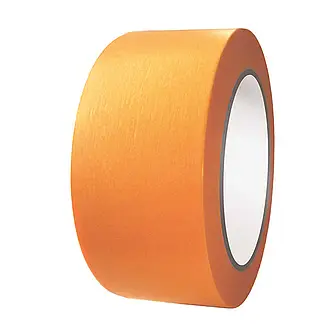
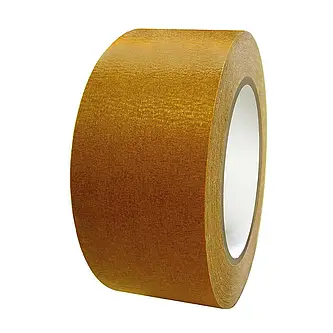
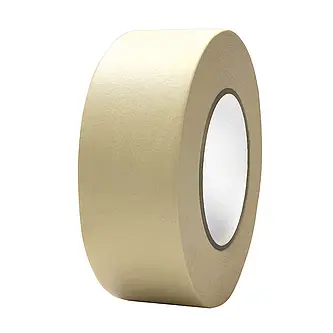
The listing shows crepe tapes, including versions for painting. Whether a tape suits your process depends on the substrate, contour, paint, drying conditions and removal.
No products match this combination.
No products match all of the selected filter criteria.
04
CHOOSING TAPE FOR PAINTING
Assess contours, drying and removal together
On shaped plastic parts, a thin PVC tape such as tesa 4174 may suit tight curves and flat paint edges. Lightly creped paper, such as tesakrepp 4308, may suit demanding painting work with straight and curved lines. Suitability for your substrate and subsequent removal depends on the specific product and process. Tell us about the component, surface, paint and drying stages, and required tape width; we can assess the material and possible converting.
05
PAINT MASKING TAPE QUESTIONS
How does paint masking tape differ from general masking tape?
Paint masking tape is selected here for its role in the painting process: the paint edge, substrate, contour and removal all matter. Masking tape is the broader product category. A tape suits your paint process only when its product information covers the intended application and drying conditions. For unusual contours or paint systems, check the specific tape rather than relying on the category name alone.
Which backing suits straight edges and tight curves?
That depends on the contour and the particular product. tesakrepp 4308 uses a lightly creped paper backing and suits long straight lines and difficult curves. tesa 4174 has a thin PVC backing for tight curves and three dimensional plastic parts. Also assess adhesion to your substrate and the required paint edge in the actual painting process.
When can paint masking tape be removed without residue?
There is no general guarantee. tesa 4174 can be removed without residue under the conditions specified for that tape. With other paint masking tapes, the substrate, dwell time, drying process, temperature and load may affect the result. Establish when the tape will be removed after painting and test the intended application on your component. Product data does not replace a check of your process.
What information helps when requesting converted paint masking tape?
Specify the component and surface, the contour to be masked, the paint system, the drying stage and when the tape is to be removed. For the supplied format, include the required tape width, roll format or shape of the die cut part. Krückemeyer GmbH can assess which input material and converting method fit the application. Cutting does not create new material properties; the product and process remain decisive.
06
Request advice
Describe your surface, contour and painting process. We can assess a suitable tape grade with you and whether a cut width or die cut part would help with application.
Enquire about tape for your paint process
Tell us where masking is needed and how the paint dries. We can discuss a suitable selection and the format you need.

PAINT MASKING TAPE ADVICE
Thomas Klein
Contact for products
Thomas Klein can help you choose paint masking tape and agree on the required supply format.