

SELF-FUSING TAPES
Self-fusing tape for insulation and sealing
Self-fusing tape bonds to itself when wrapped. The range includes rubber and silicone tapes for insulation, sealing or repair, depending on the product. The product construction and your conditions of use determine the choice.
01
Self-fusing tapes by brand
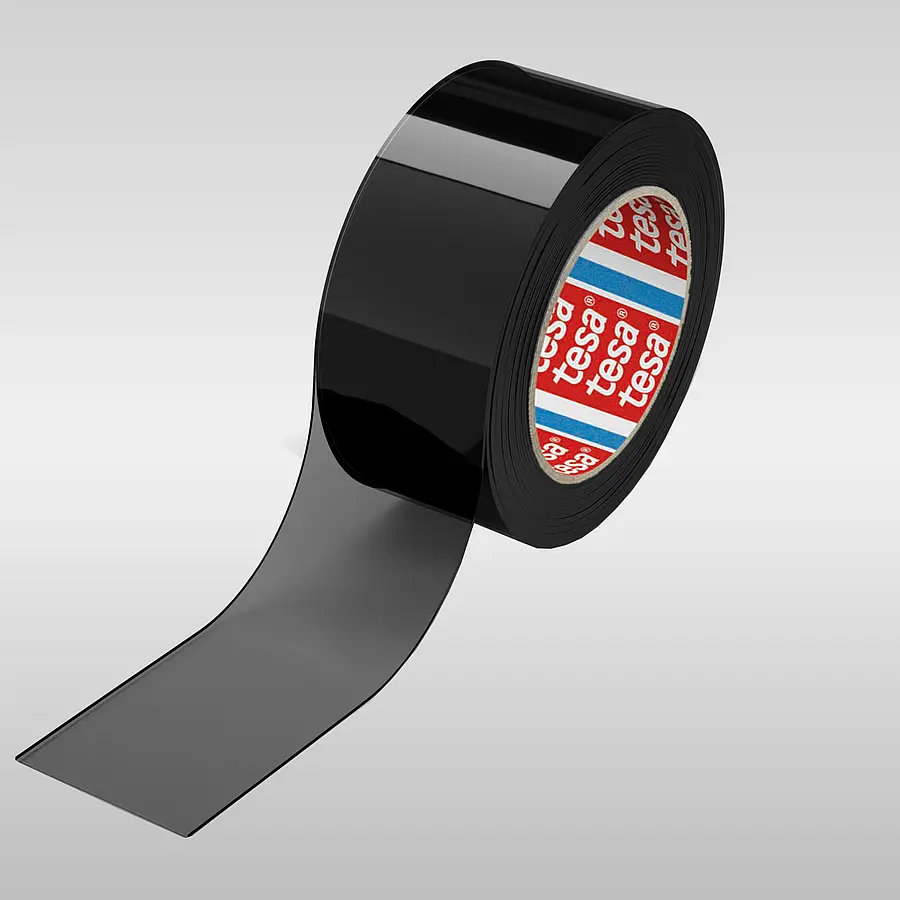
tesa self-fusing tape
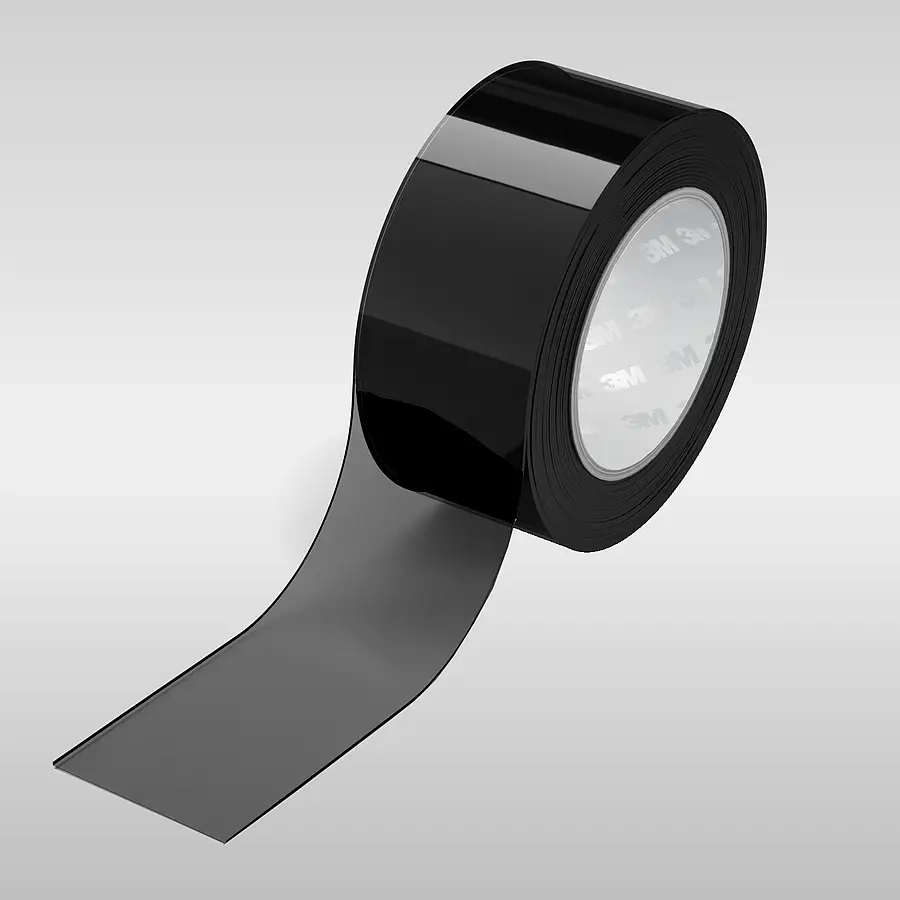
3M self-fusing tape
02
Selection criteria
Start with the material and task
Start by defining the wrap's purpose, the shape and the surface. Scotch 23 is a self-fusing ethylene propylene rubber tape for electrical insulation and moisture sealing. tesa 4600 is a self-fusing silicone tape without adhesive for sealing and repair tasks. Consider the properties of the particular tape and the construction of your joint; the backing material alone does not determine suitability.
03
SELF-FUSING TAPES
Self-fusing tapes in the range
The listing shows self-fusing tapes from 3M and tesa. The product data help you compare materials, dimensions and applications.
No products found
No products are currently listed in this category. Request a call back and we will help you find the right product.
Request a callback04
SELF-FUSING TAPE SELECTION
How to select a self-fusing tape
Is the task electrical insulation, moisture protection or repair? Rubber and silicone tapes differ in construction and potential uses. Which task a tape can perform depends on the particular product. Consider the shape of the joint, the intended wrap and the conditions of use. For electrical requirements, check the product-specific data and the complete assembly. Tell us about the application and required tape dimensions so we can assess the choice and a possible cut.
05
SELF-FUSING TAPE QUESTIONS
What does self-fusing mean for a tape?
The tape bonds to itself as it is wrapped. Its construction depends on the product: tesa 4600 is a silicone tape without adhesive that bonds on its own backing. Scotch 23 is a self-fusing rubber tape for insulation and sealing tasks. Whether a tape suits your surface or electrical application depends on the particular product and joint. Before selecting a tape, check its data sheet and the conditions of your joint.
How do the rubber and silicone tapes in the range differ?
They differ in material and application. Scotch 23, made from ethylene propylene rubber, is used for primary electrical insulation and moisture sealing. The silicone-based tesa 4600 can seal and protect lines and connections, including on wet surfaces. Do not assume that both tapes can be used for the same tasks. Define the function, surface and conditions of use before comparing tapes.
When is self-fusing tape suitable for electrical insulation?
Only if the selected product is suitable for the particular electrical task. Scotch 23 serves as primary insulation for insulated cables; tesa 4600 provides insulation and protection for lines and connections. These uses apply to the respective products and do not replace an assessment of the complete joint. Tell us about the cable, location and technical requirements to narrow down the choice.
What information does Krückemeyer need for a tape-dimension enquiry?
Describe the required function, surface, shape and conditions of use. Add the chosen product or alternatives to be assessed, along with the required tape width and supply form. Krückemeyer GmbH can cut tapes for your application. We will use your details to check whether the material and format suit your process.
06
Request advice
Planning insulation, sealing or a repair? Describe the component, environment and required tape dimensions. Our adhesive technology team can advise on product selection and a suitable cut.
Enquire about self-fusing tape
Tell us about the technical task and required format. We will assess the suitable product and cut for your application.

ADHESIVE TECHNOLOGY ADVICE
Thomas Klein
Contact for products
Talk to Thomas Klein about the insulation or sealing task and the required tape format.