

MASKING INDUSTRIAL SURFACES
Masking tape for painting and sandblasting
Masking tape protects defined areas during painting and surface treatment. Choose it by substrate, edge shape, process demands and planned removal; suitability must be checked for the specific tape.
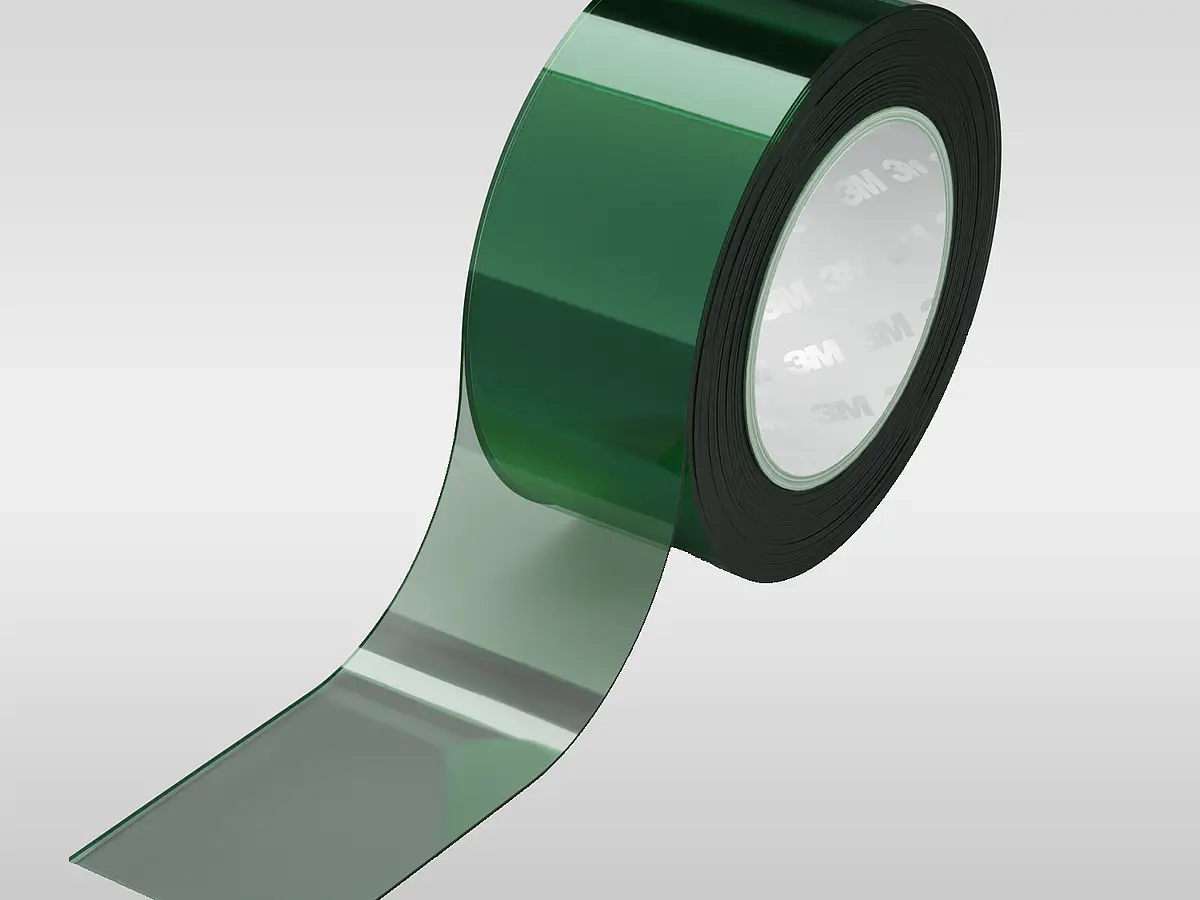
01
Subcategories
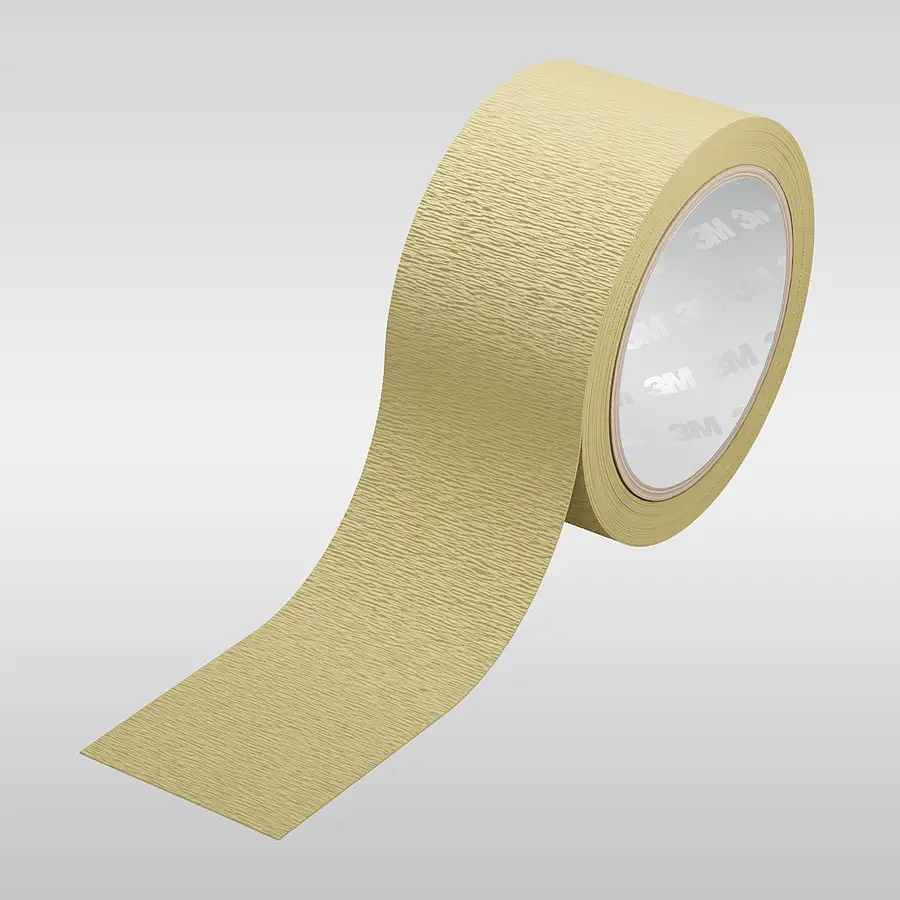
Crepe Tape
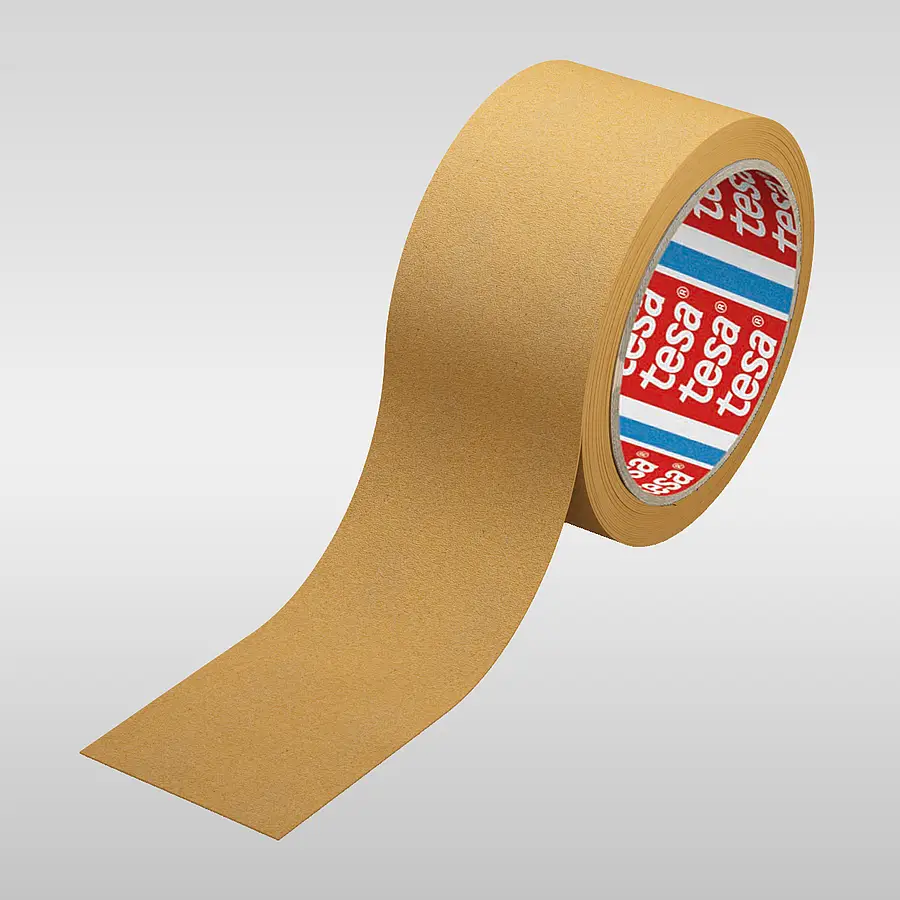
Goldband Tape
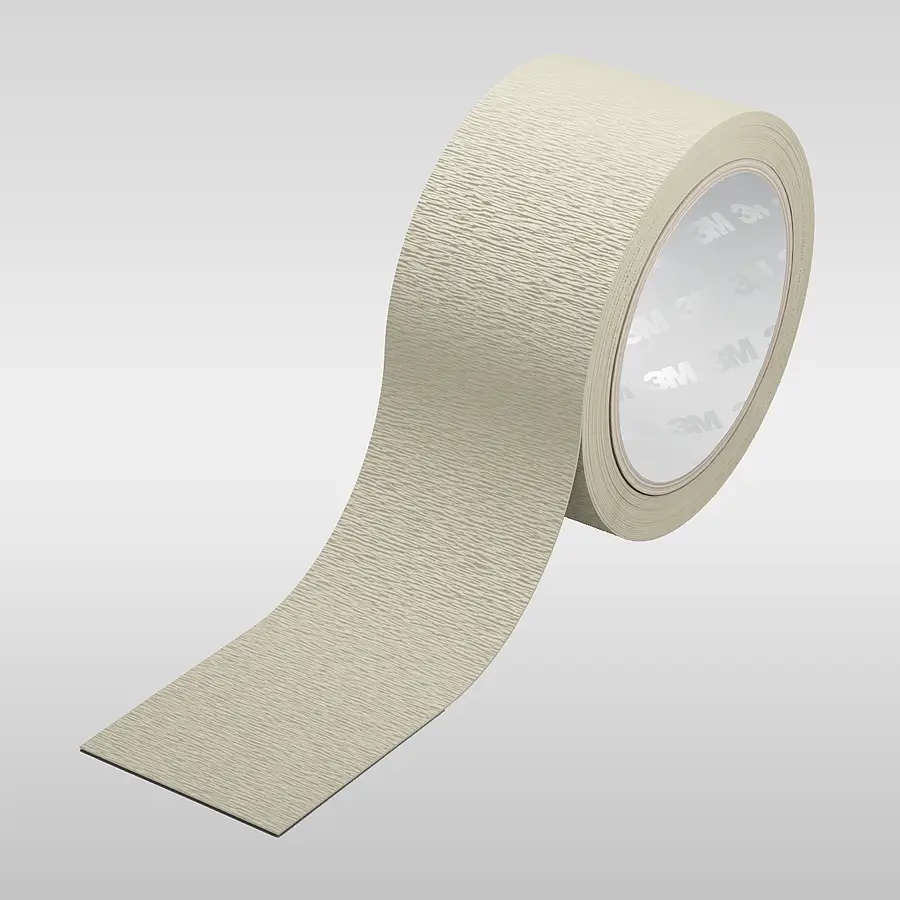
Masking Tape
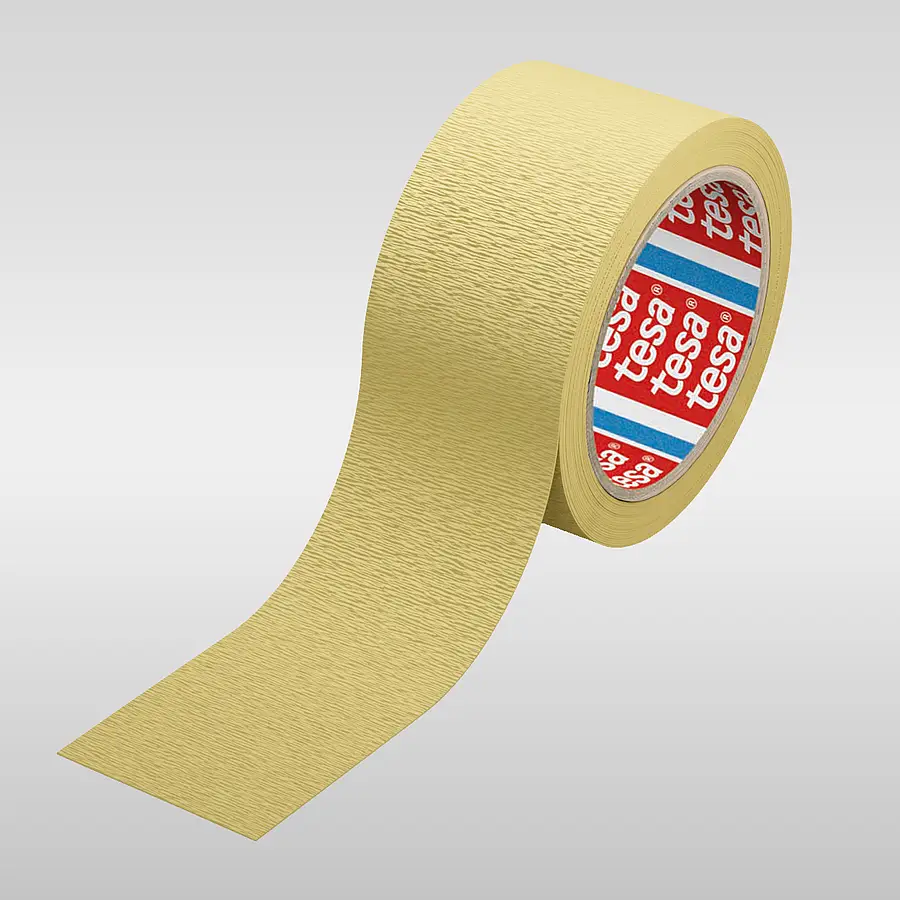
Painter's Tape

Contour Tape
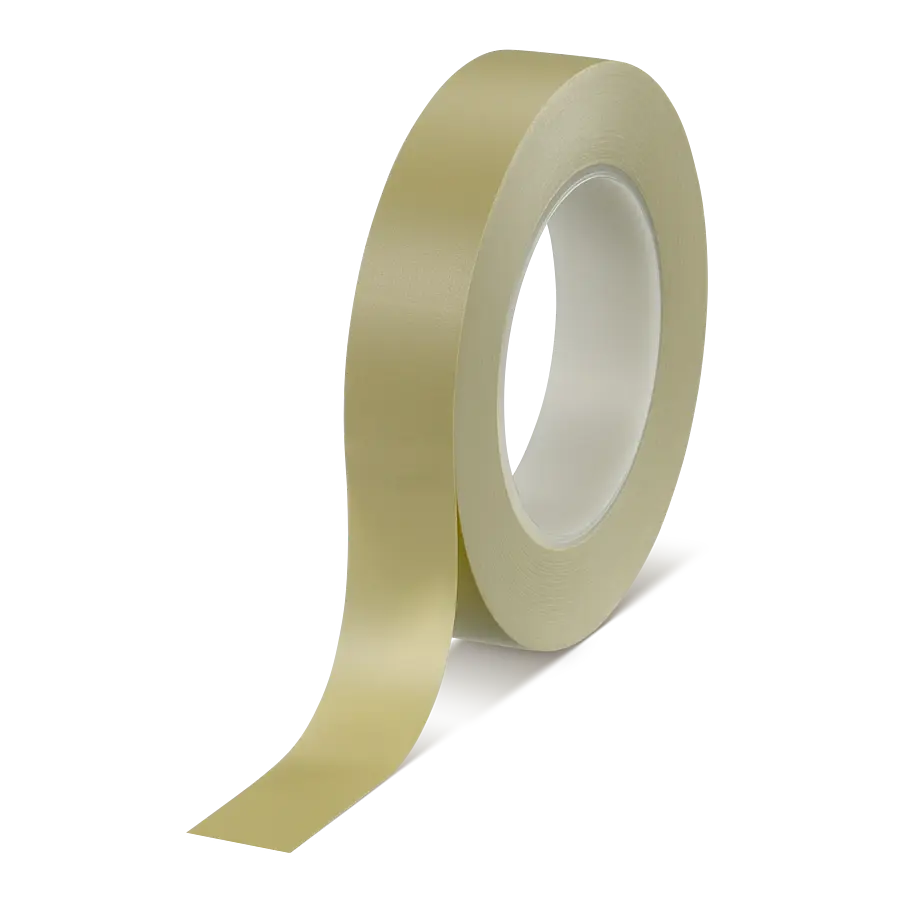
Fine Line Tape
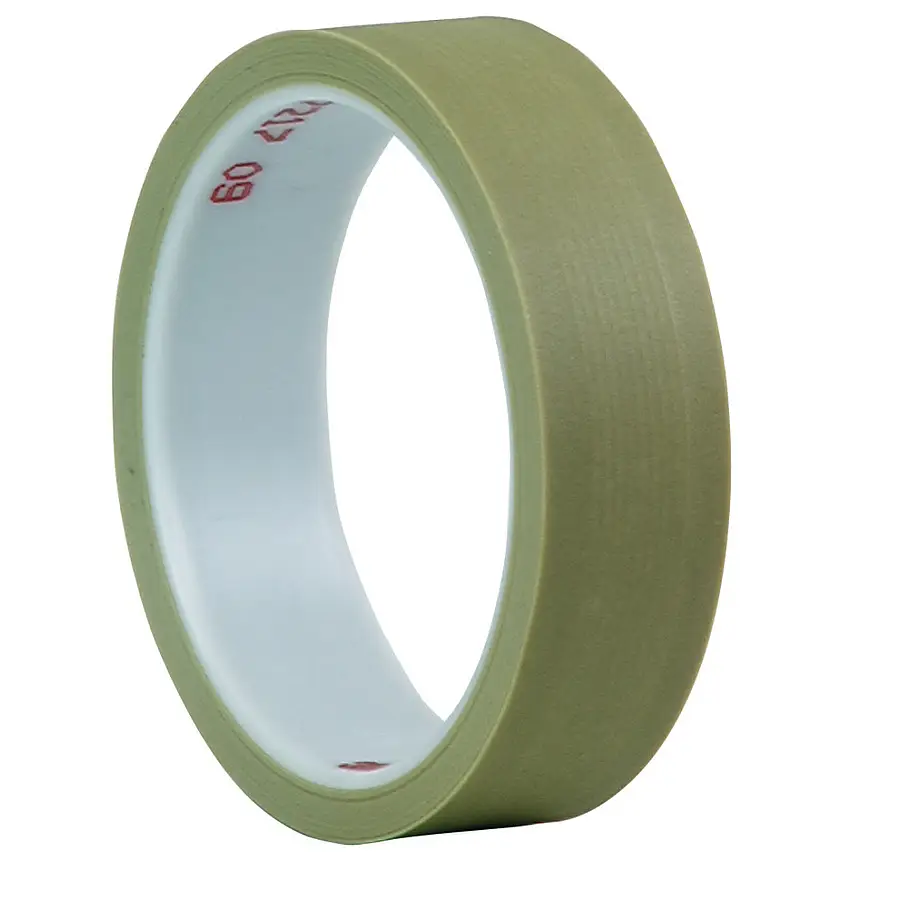
Decorative Line Tape
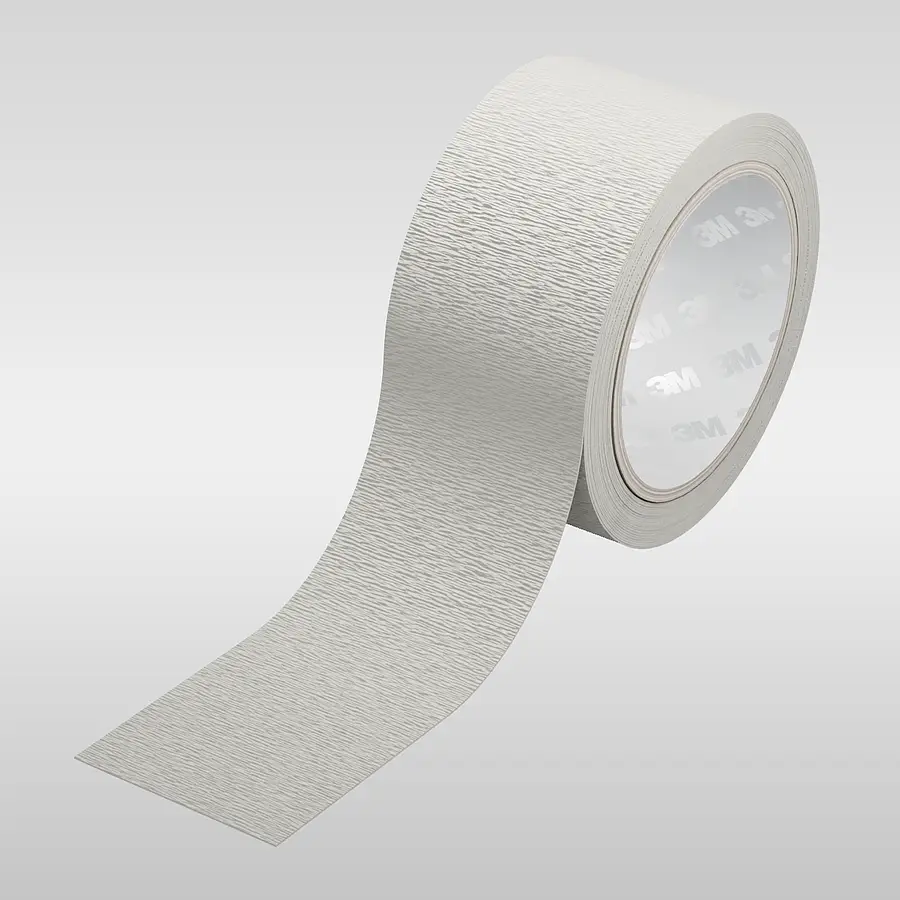
Paint Masking Tape
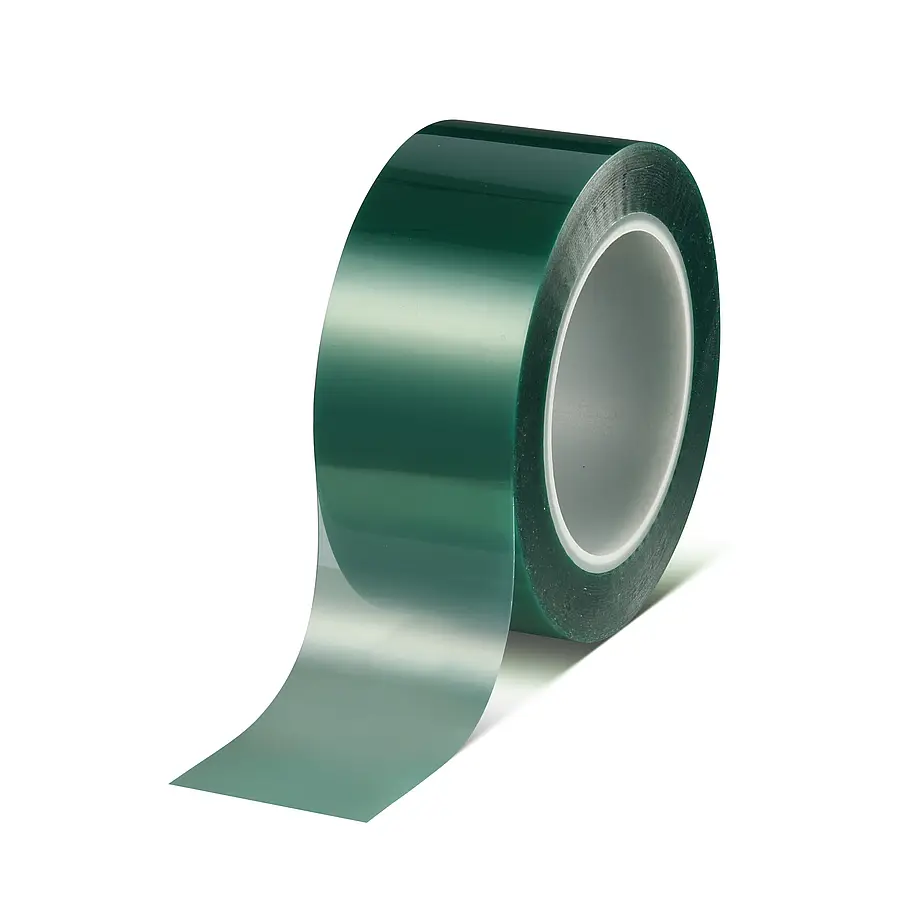
Powder Coating Tape
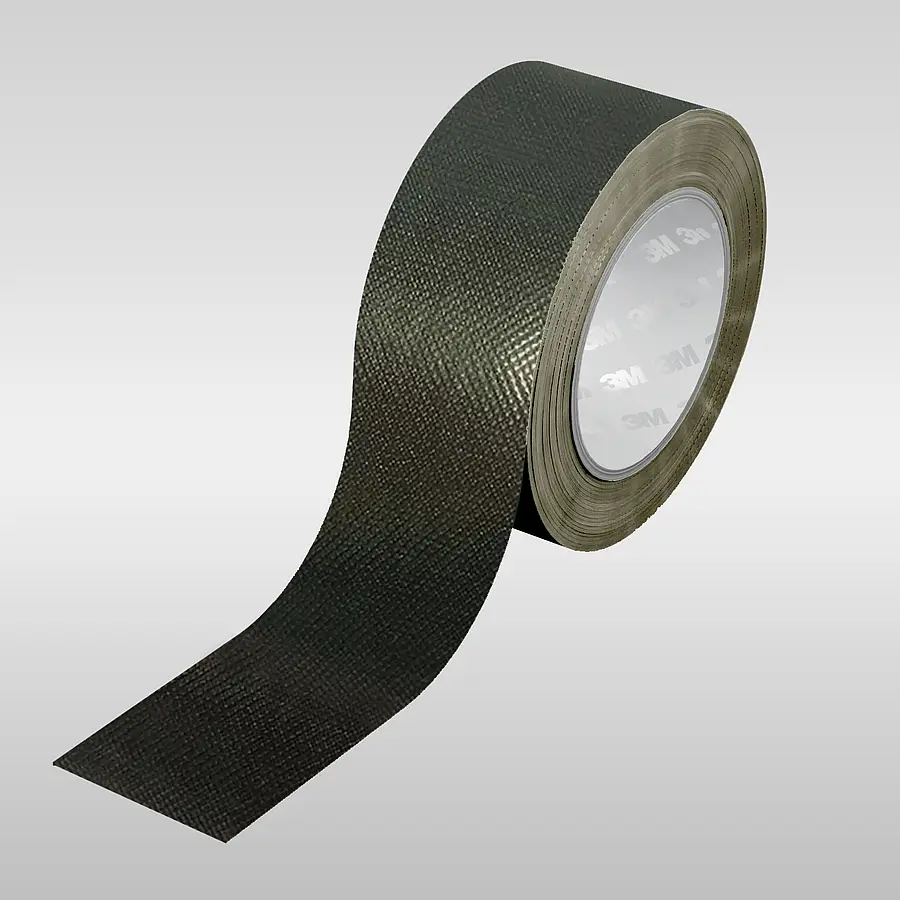
Sandblasting Tape
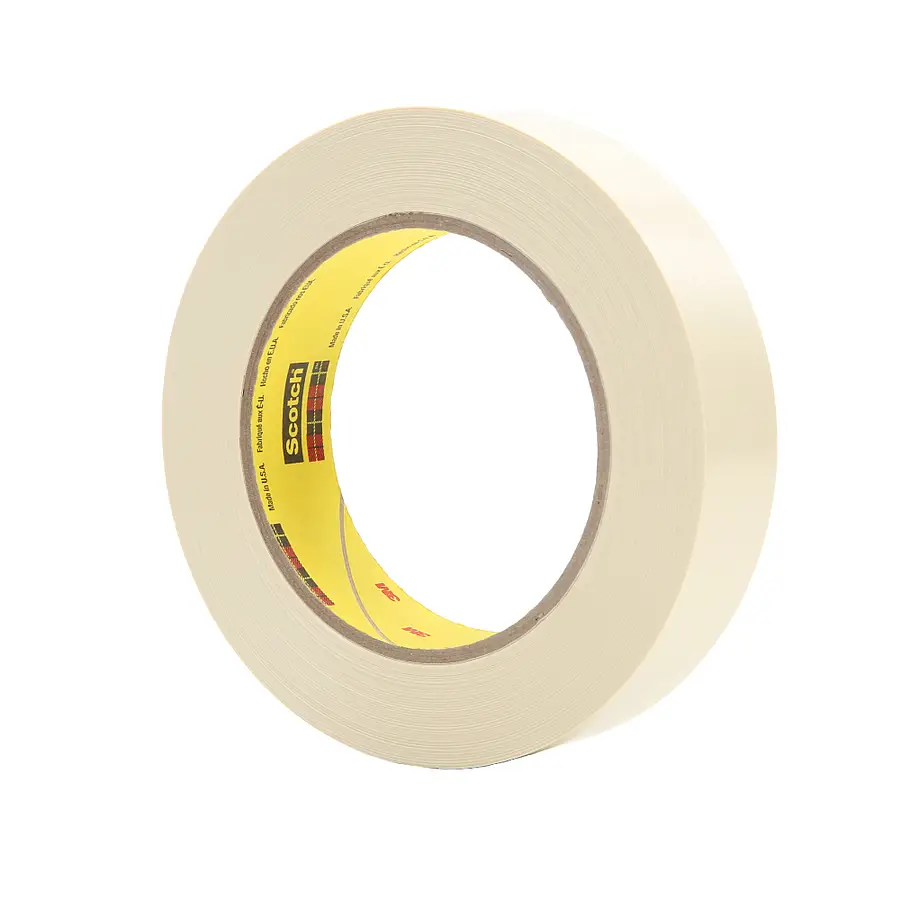
Electroplating Tape
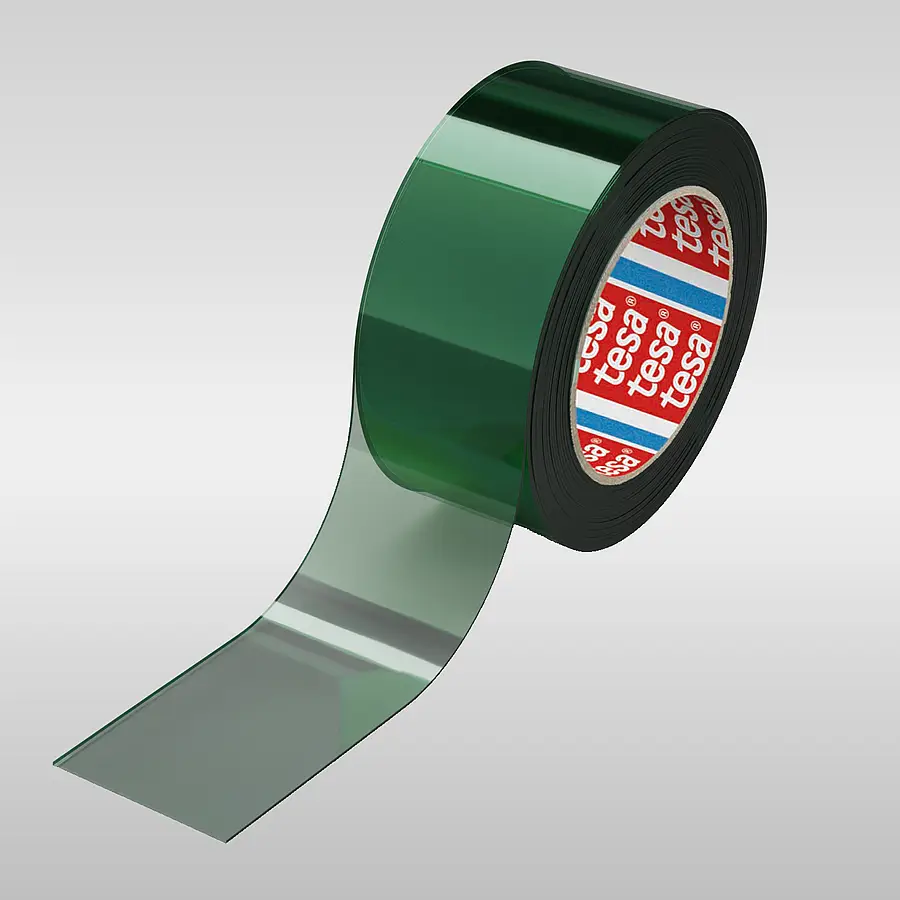
tesa Masking Tape
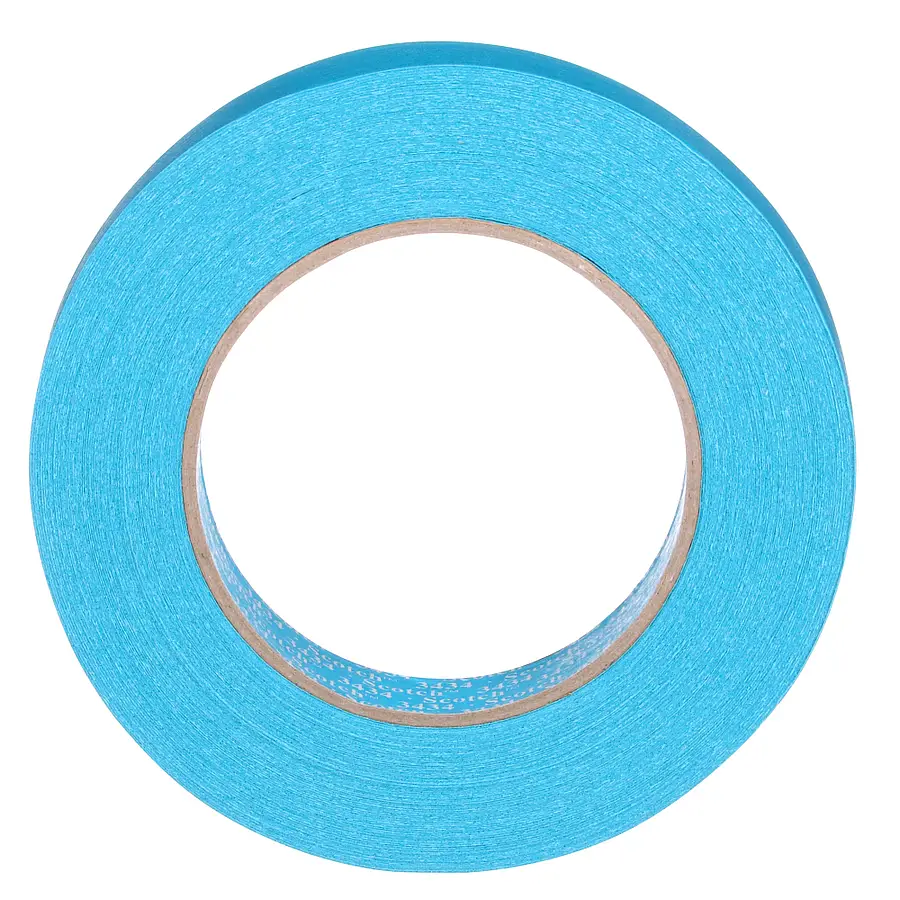
3M Masking Tape
02
Selection criteria
Which masking tape suits the surface and process?
Start with the workpiece: Which surface needs protection, how does the edge run, and what stresses follow? Paper crepe tapes, flexible films and specialist protective tapes differ in backing, adhesive and handling. Paint work calls for a suitable paint edge and drying process; blasting adds abrasive impact, while electroplating involves the specific bath. Bonding time and removal method are selection criteria, not universal properties of masking tape.
03
MASKING TAPE RANGE
Masking tapes for painting and surface protection
The product listing contains masking tapes with different backings and purposes. Check each item's information on substrate, process and removal.
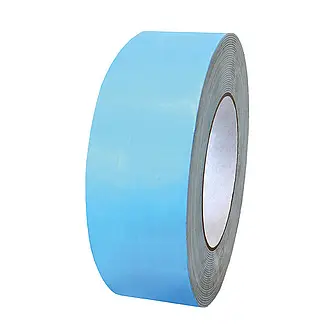

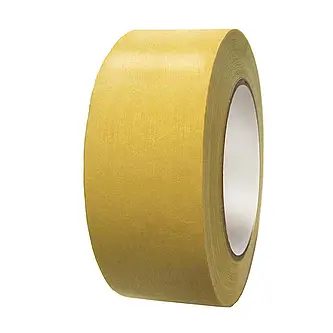
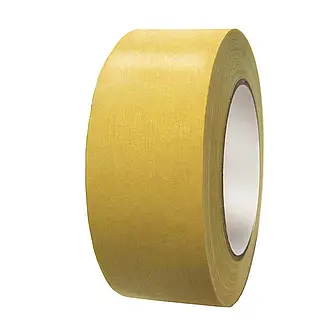
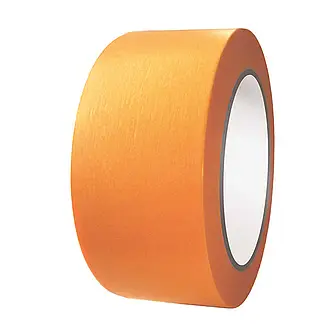
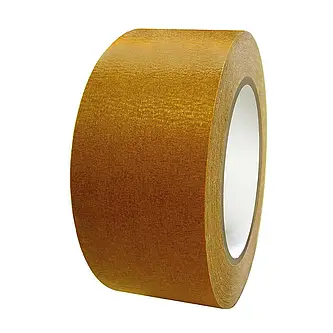
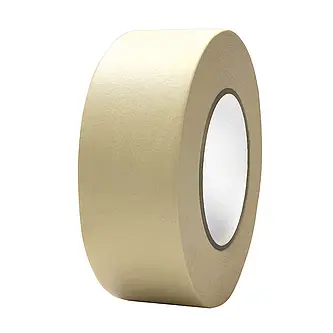
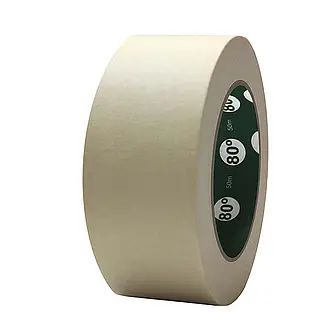
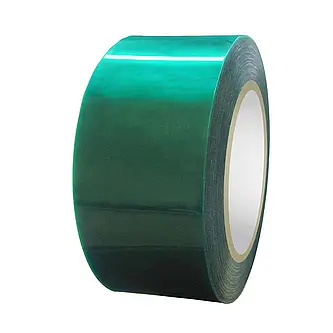
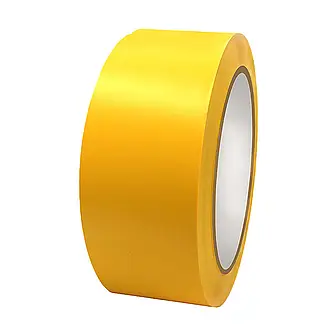
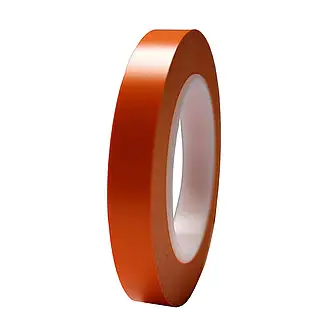
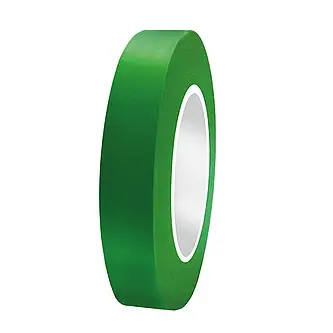
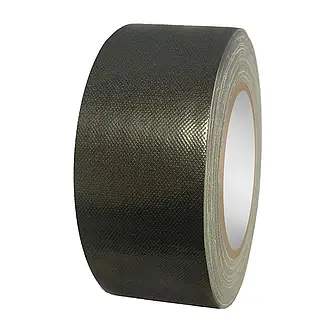
adhesive tape
RK 7223 Heavy Duty Sandblasting Tape - 310 mm x 25 m - olive green
No products match this combination.
No products match all of the selected filter criteria.
04
MASKING TAPE SELECTION
Choose masking tape by edge, stress and removal
Straight paint edges and complex contours may require different backings. tesa describes lightly creped paper tapes for spray painting and flexible film tapes for curved paths. Blasting tapes are selected by abrasive, pressure and duration; tapes for powder coating or electroplating baths need other properties documented for the individual product. A brand name or the term “masking tape” does not replace this check.
Record the substrate, coating, process steps, bonding time and intended removal. Krückemeyer GmbH can cut a suitable tape to size or supply die-cut parts; feasibility depends on material and geometry. For cutting options, see Cutting and slitting. Describe your application in the enquiry form so we can assess the tape and supplied format together.
05
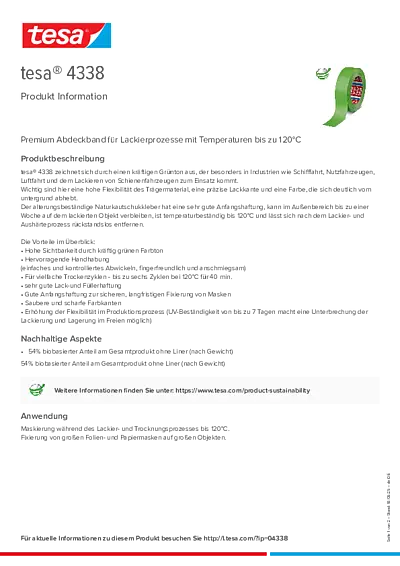
PAINT MASKING TAPE DATA SHEET
06
MASKING TAPE QUESTIONS
How do covering tape, masking tape and Masking Tape differ?
In this range, these terms lead to tapes used to protect or define areas temporarily. “Masking Tape” is an English search term for covering an area before a process; the name alone does not establish a separate technical class. The masking tape range includes paper-backed paint tapes as well as film and specialist tapes for other surface processes. The actual backing, adhesive, substrate and planned process therefore matter more than the label. Check the individual product information before treating the terms as equivalent.
What information matters when choosing masking tape for painting?
State the substrate, edge shape, paint system and conditions during drying and removal. A conformable contour tape may help with curved lines, while long straight paint edges place different demands on tape guidance. Tapes for painting and drying processes differ in their backings and adhesives. A temperature rating or clean removal claim applies only to the specified product under its stated conditions. Testing on the actual substrate helps assess the paint edge and removal before series production.
How do tapes for sandblasting, powder coating and electroplating differ?
These processes stress masking tape in different ways. During sandblasting, the abrasive, pressure and process duration determine the required resistance. Powder coating also involves the coating and curing process; match the tape's temperature rating to the curing conditions. In electroplating, the specific bath and its chemicals are additional factors. A tape suited to one process may not suit the others. Tell us about the workpiece, process steps and intended removal so we can narrow down tapes for your application.
When can masking tape be removed cleanly?
That depends on the product, substrate and actual process conditions. A tape that removes cleanly in one application may behave differently on another surface. Consider bonding time, temperature history, coating and the intended point of removal. On sensitive or pretreated surfaces, test removal on the actual material. This also helps determine whether the chosen tape width and edge guidance suit the result you need.
What details help with an enquiry for converted masking tape?
Describe the workpiece material and surface, the area to cover, the process and the intended removal. Add the required width, length or contour and the desired supplied format. Krückemeyer GmbH can cut suitable tapes to size or supply die-cut parts. The suitable tape and converted format depend on the material, contour and process. These details help determine which tape in the range and which converted format support your handling process.
07
Request advice
Tell us the substrate, edge shape, coating or treatment process and planned removal. We will assess a suitable masking tape and the appropriate converted format with you.
Discuss masking tape for your process
Discuss the tape, substrate and handling with us. If you already know the item, you can also prepare your enquiry in the enquiry list.

MASKING TAPE ADVICE
Thomas Klein
Contact for products
Thomas Klein can discuss the substrate, process and removal of your masking tape with you.