

MASKING AND PAINTING
Painter's tape and crepe tape for masking
Painter's tape protects adjacent surfaces and defines the paint edge. Choose the paper backing, adhesion and permitted dwell time to suit the substrate and process – we can help with selection and converting.
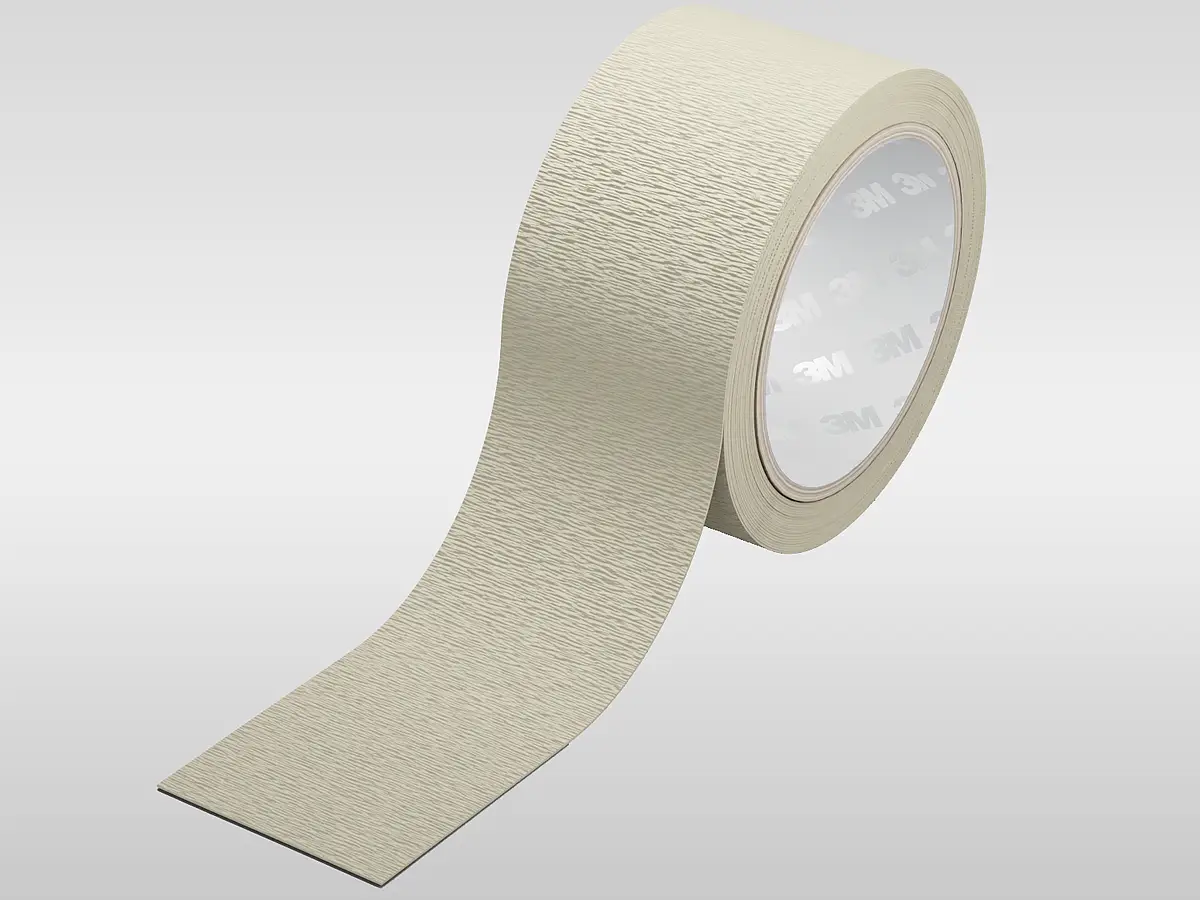
01
Painter's tape by brand
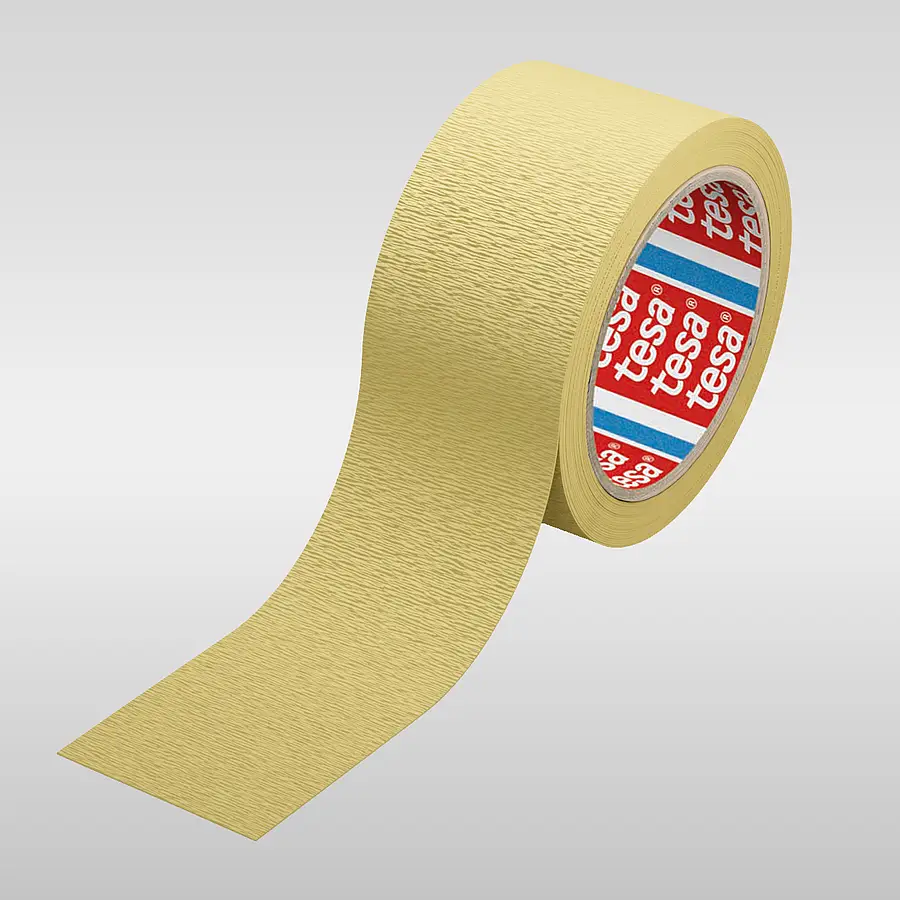
tesa painter's tape
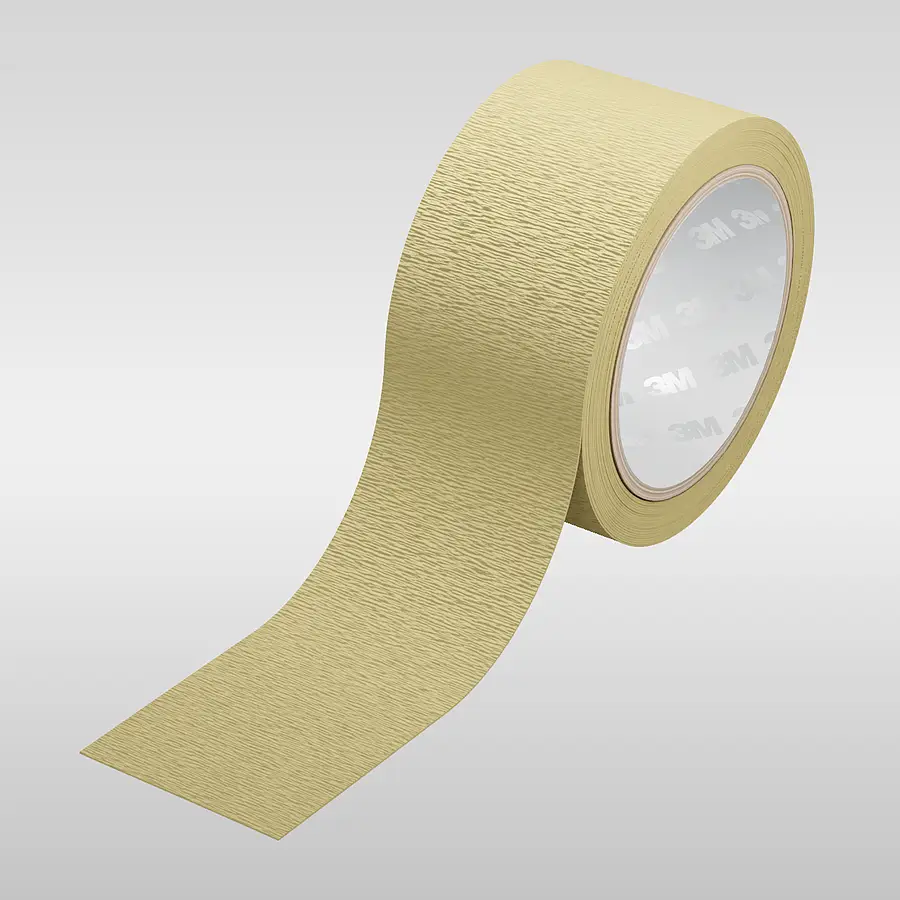
3M painter's tape
02
Selection criteria
Check substrate, edge and removal time first
The surface, the contour of the paint edge and the time until removal guide selection. Lightly creped paper backings conform to edges; flatter specialty papers can support a particularly precise paint edge. Check adhesion and the stated dwell time for the specific tape, especially on sensitive substrates or when work moves between indoor and outdoor conditions.
03
PAINTER'S TAPE RANGE
Painter's tape and other crepe tapes in the range
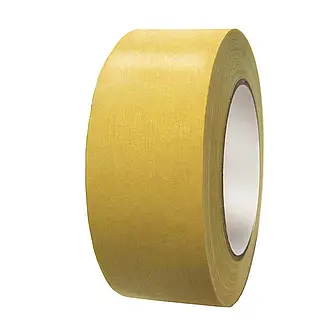
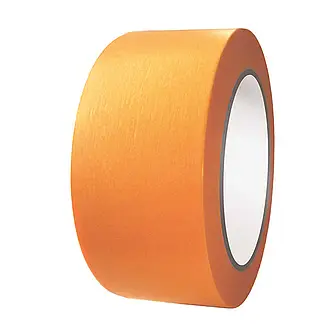
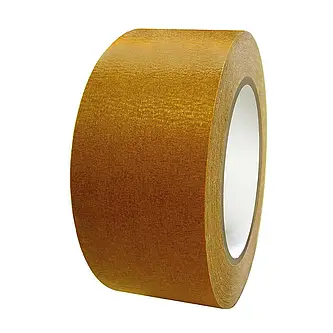
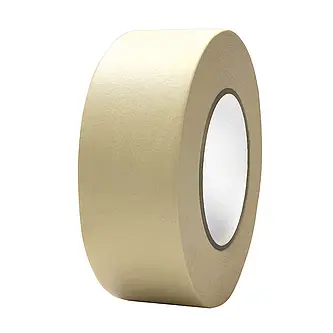
The listing includes crepe tapes with different backings and purposes, from masking during painting to other covering tasks. Check each product description against your process.

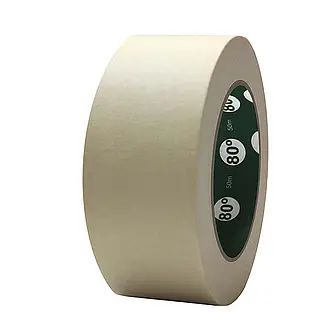
No products match this combination.
No products match all of the selected filter criteria.
04
CHOOSING PAINTER'S TAPE
Which painter's tape suits the masking task?
Painter's tape is a selection within the broader crepe tape range intended for painting and masking. A lightly creped paper tape may suit straight edges indoors; a specialty paper backing may be suitable where a particularly flat paint edge is needed. The actual substrate, paint or coating, contour and removal point remain decisive. Claims about residue-free removal or outdoor use apply only to the individual product. Tell us the surface, processing steps and required tape width so we can assess a suitable version and possible converting.
05
PAINTER'S TAPE QUESTIONS
How do painter's tape and crepe tape differ?
Here, painter's tape means crepe tapes intended for painting and masking. The wider crepe tape range also contains versions for other covering processes. The name alone does not establish suitability: compare the paper backing, adhesive, substrate and removal information for the specific product. For a precise paint edge, it also matters how the tape sits along the edge and how the paint or coating is applied.
How should I choose painter's tape for a clean paint edge?
Start with the substrate and contour. A conformable paper backing helps guide the tape along an edge; a flatter specialty paper backing can support a particularly flat edge when the product specifies that use. Consider the paint or coating and subsequent removal as well. Test the actual combination on the intended substrate, especially if the surface is sensitive or uneven.
When can painter's tape be removed?
That depends on the individual product and application. Manufacturer information distinguishes indoor from outdoor use and gives separate dwell times. The substrate, moisture and processing steps also affect selection. Do not apply one tape's removal claim to another. Before ordering, establish how long the masking will remain on the component and compare that period with the data for the specific tape.
What information is needed to discuss converting painter's tape?
Specify the surface and geometry, desired paint edge, process up to removal, tape width and required supply format. These details help us assess whether an existing width is suitable or the tape should be cut for the application. Suitability remains specific to the product; cutting does not change the properties of its backing or adhesive.
06
Request advice
Describe the substrate, paint system, masking period and required supply format. Together we can assess which tape and converting option fit your process.
Discuss painter's tape for your application
Tell us your substrate, painting process and required width. We can advise on a suitable tape and format.

PAINTER'S TAPE ADVICE
Thomas Klein
Contact for products
Talk to Thomas Klein about the substrate, paint edge and suitable tape width.