

3M MASKING TAPES FOR INDUSTRIAL PROCESSES
3M masking tape for painting and surface protection
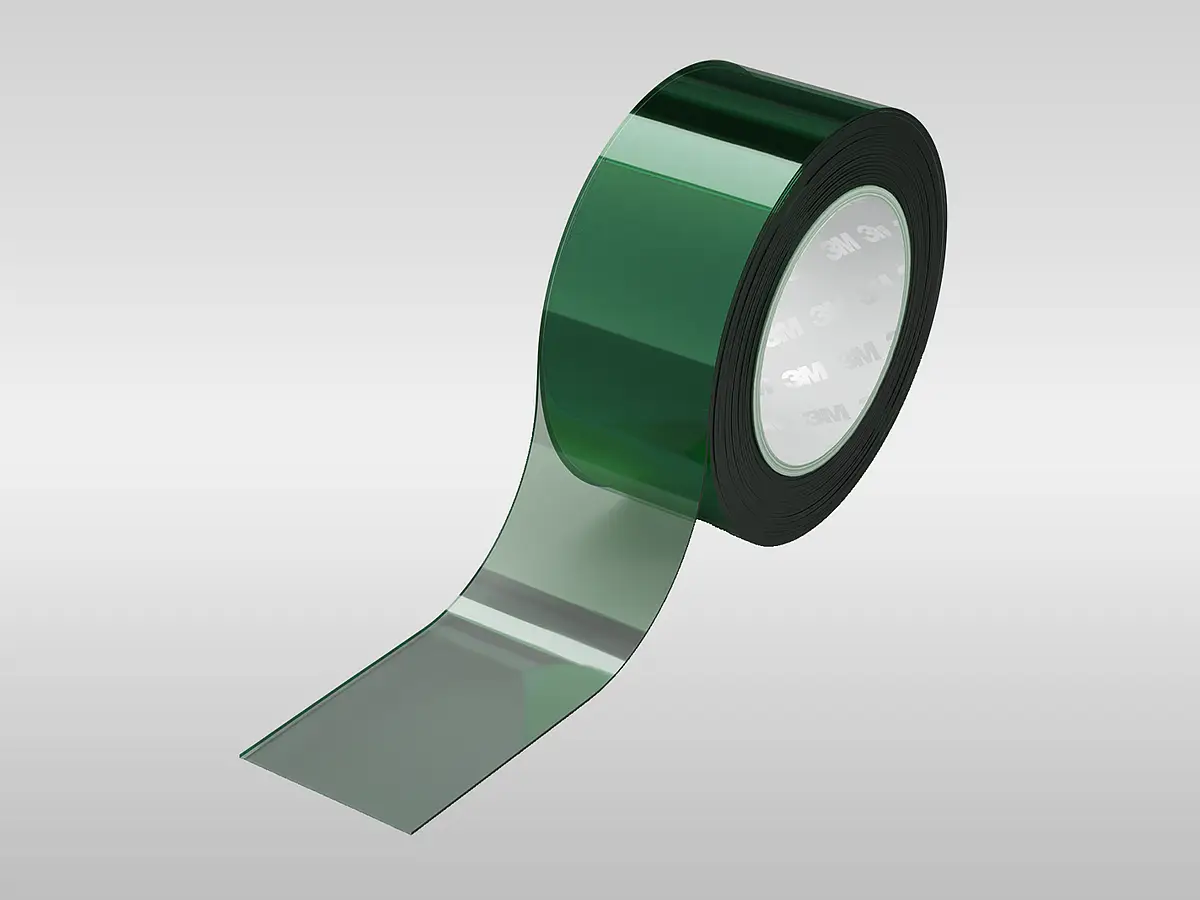
3M masking tapes protect defined areas during painting, coating and anodizing. Choose by substrate, contour, process and planned removal; the range includes different backings and formats.
01
Selection criteria
What determines the choice of 3M masking tape?
Start with the component: its surface and sensitivity determine whether a tape is suitable at all. Straight paint edges, irregular contours and openings call for different constructions. Then define the process, such as painting or anodizing, and check how the specific product can be removed after processing.
02
3M MASKING TAPE RANGE
3M masking tapes in the range
The listing contains 3M masking tapes for different masking tasks, including paper crepe tapes, foam masking tapes and polyester tapes for anodizing.
No products found
No products are currently listed in this category. Request a call back and we will help you find the right product.
Request a callback03
GUIDE TO CHOOSING 3M MASKING TAPE
From the masking task to the right format
For painting, compare the backing, adhesion to your substrate and desired paint edge of each specific 3M masking tape. Foam masking tape may suit openings and soft transitions; polyester tapes are described specifically for anodizing processes. Properties such as UV resistance or suitability for a particular process apply only to the product for which they are documented, not to the entire range.
If you need a particular roll width or a die-cut part, tell us the substrate, contour, process and removal point. Krückemeyer GmbH uses these details to assess product selection and application-specific converting.
04
QUESTIONS ABOUT 3M MASKING TAPE
Which differences matter when choosing 3M masking tape for painting?
The backing, component surface, desired paint edge and removal conditions all matter. The 3M range includes paper crepe tapes for painting and foam masking tapes for openings and soft transitions. The term “masking tape” alone does not establish suitability for every paint or substrate. Compare the data for the specific product with your process and test its use on the component.
When is 3M foam masking tape useful?
Foam masking tape may be useful when an opening or a transition with a soft edge needs masking during painting. One 3M product in the range is made of polyurethane foam and is described for vehicle openings. This function cannot be assumed for every 3M masking tape. The opening shape, tape placement and actual painting sequence determine the choice.
Can 3M masking tapes always be removed without residue after processing?
No. Removal depends on the specific 3M masking tape, substrate and process. The catalogue describes clean or easy removal for individual products; this does not amount to a promise for all surfaces and conditions. Before choosing a tape, establish when it will be removed and from which component. Testing under actual conditions is sensible for sensitive surfaces.
What details help with an enquiry about converted 3M masking tape?
Describe the area to protect, material and surface, contour, processing step and planned removal. Add the required supply format, such as cut rolls or die-cut parts, and the dimensions. Krückemeyer GmbH can convert masking tapes for the application; whether the selected tape retains its intended function is assessed against the product and your process.
05
Request advice
Describe the substrate, component contour, process and required supply format. We can then assess which 3M masking tape and cut format may suit your application.
Enquire about 3M masking tape for your process
Tell us what needs masking and how the tape will be applied and removed. We will discuss product selection and a suitable supply format.

ADVICE ON 3M MASKING TAPES
Thomas Klein
Contact for products
Discuss the substrate, process and required format with Thomas Klein.
Advice and sales to business customers only!