

3M CREPE TAPES · PAINT MASKING
3M masking tape for painting and masking
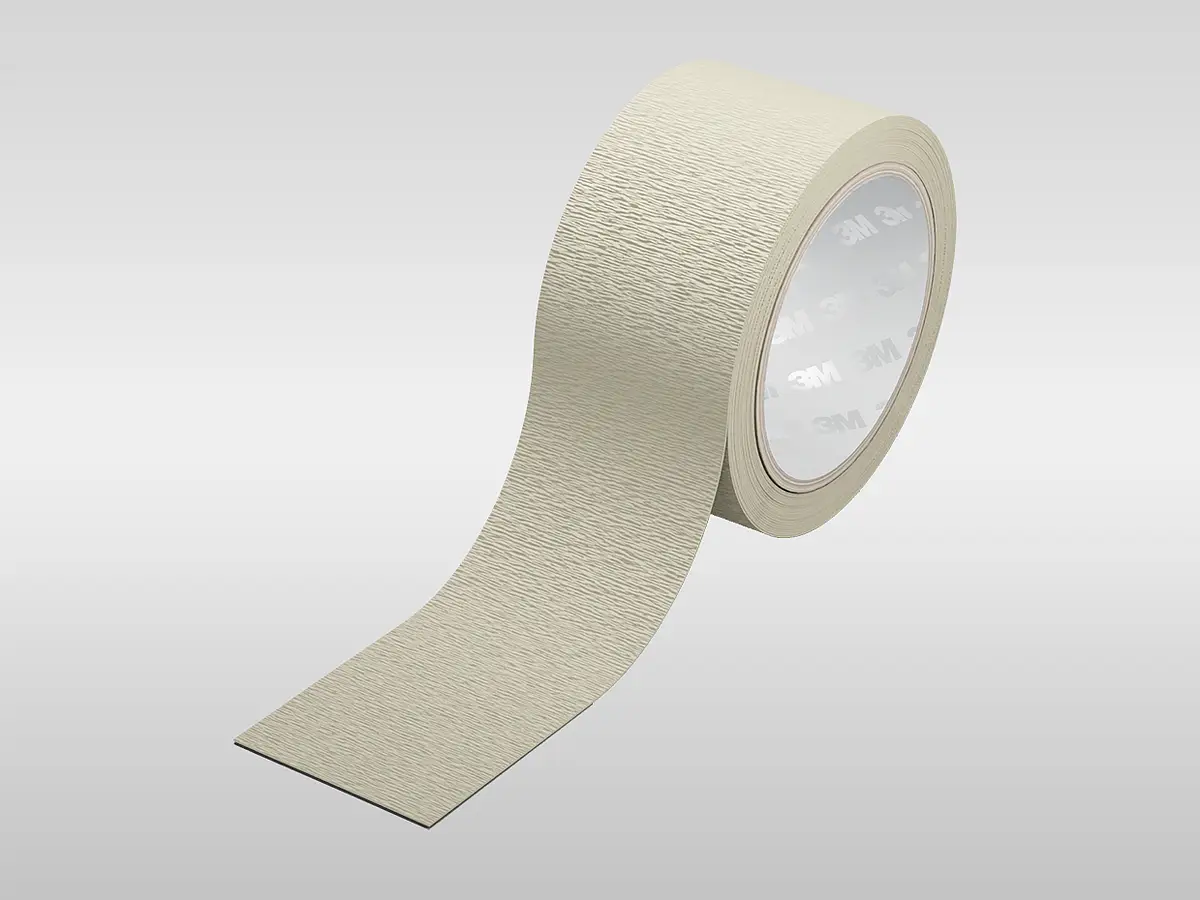
This selection brings together 3M crepe tapes for masking. The right tape depends on the substrate, the shape of the edge, the painting or drying process, and how the tape will be removed.
01
Selection criteria
Choose 3M masking tape for the task
Start with the surface to be masked and the required paint line. On contours, consider how the paper backing follows the shape; for painting, also consider adhesion during processing and removal afterwards. If heat is part of the drying process, use the specification of the individual product. The 3M name alone does not establish a temperature rating.
02
3M CREPE TAPES
3M masking tapes in the range
The listing contains 3M crepe masking tapes in different versions. Check the product details for backing, adhesive, dimensions and intended process.
No products found
No products are currently listed in this category. Request a call back and we will help you find the right product.
Request a callback03
CHOOSING TAPE FOR PAINTING
Which 3M masking tape fits your process?
For general indoor masking, the range includes 3M 101E; 3M 301E is described for industrial painting. Versions such as 3M 401E and 3M 501E may be considered when heat is part of the process. Suitability follows from the individual product and your application conditions, not from the term “masking tape”.
Tell us about the substrate, coating system, contours, process steps and planned removal. We can then also assess whether a cut roll width would help your handling.
04
QUESTIONS ABOUT 3M MASKING TAPE
How does 3M masking tape differ from other masking tapes?
This page brings together 3M crepe masking tapes. “Masking tape” names the task; the individual version determines whether a tape suits general masking, industrial painting or a process involving heat. Other masking tapes may use a different backing or serve another purpose. Compare the product details and the intended use before choosing a tape.
What matters when masking contours?
Consider the substrate, the path of the edge, how the backing follows the shape and whether the tape stays in place during processing. A crepe backing can follow contours, but the result depends on the tape and the geometry. Also plan how the tape will be removed after painting. Tell us about tight curves, edges and surfaces so that we can narrow down the suitable version.
Which 3M crepe tape is suitable when drying involves heat?
That depends on the temperature exposure specified for the individual tape, and on the duration and sequence of the drying process. The range includes 3M 401E and 3M 501E, which are described for painting processes involving heat. This does not establish a general temperature rating for all 3M masking tapes. Compare your process conditions with the product data and test suitability on the component.
Can Krückemeyer cut 3M masking tape for processing?
A cut roll width can be tailored to direct use in the painting area. The useful width and supply format depend on the selected tape and your process. Tell us the masking width, how the tape is handled at the workstation and the intended application result. Krückemeyer GmbH can then assess whether converting the tape is technically and commercially suitable.
05
Request advice
Describe the substrate, contours, painting or drying process and planned removal. Our adhesive technology team can help assess the tape and a suitable supply format.
Enquire about 3M tape for your process
You know the application but have not selected a version yet? Send us the requirements for an application specific assessment.

MASKING TAPE ADVICE
Thomas Klein
Contact for products
Thomas Klein can help you choose a 3M masking tape for your substrate and process.
Advice and sales to business customers only!