
MASKING FOR ABRASIVE BLASTING
Sandblasting tape for abrasive blasting
The right masking tape protects areas that must remain untreated during abrasive blasting. Choose sandblasting tape according to the surface, contours and blasting load; Krückemeyer GmbH can help you select the material and a suitable converted format.
01
Selection criteria
Check the backing and blasting load before browsing
First identify which areas must be blasted and which must be protected. The listed range includes paper backings such as tesakrepp® 4432 and 4434, specialist fabric such as RK 7223, and rubber backings such as RK 450. Compare each tape’s construction with the substrate, contours and load in your actual blasting process. Neither thickness nor backing material alone tells you how long you can blast or whether the tape will come off your component without residue.
02
SANDBLASTING TAPE RANGE
Sandblasting tapes for masking and stencils
Here you will find the sandblasting tapes in this category. The product details help you compare backing, adhesive, dimensions and applications.

adhesive tape
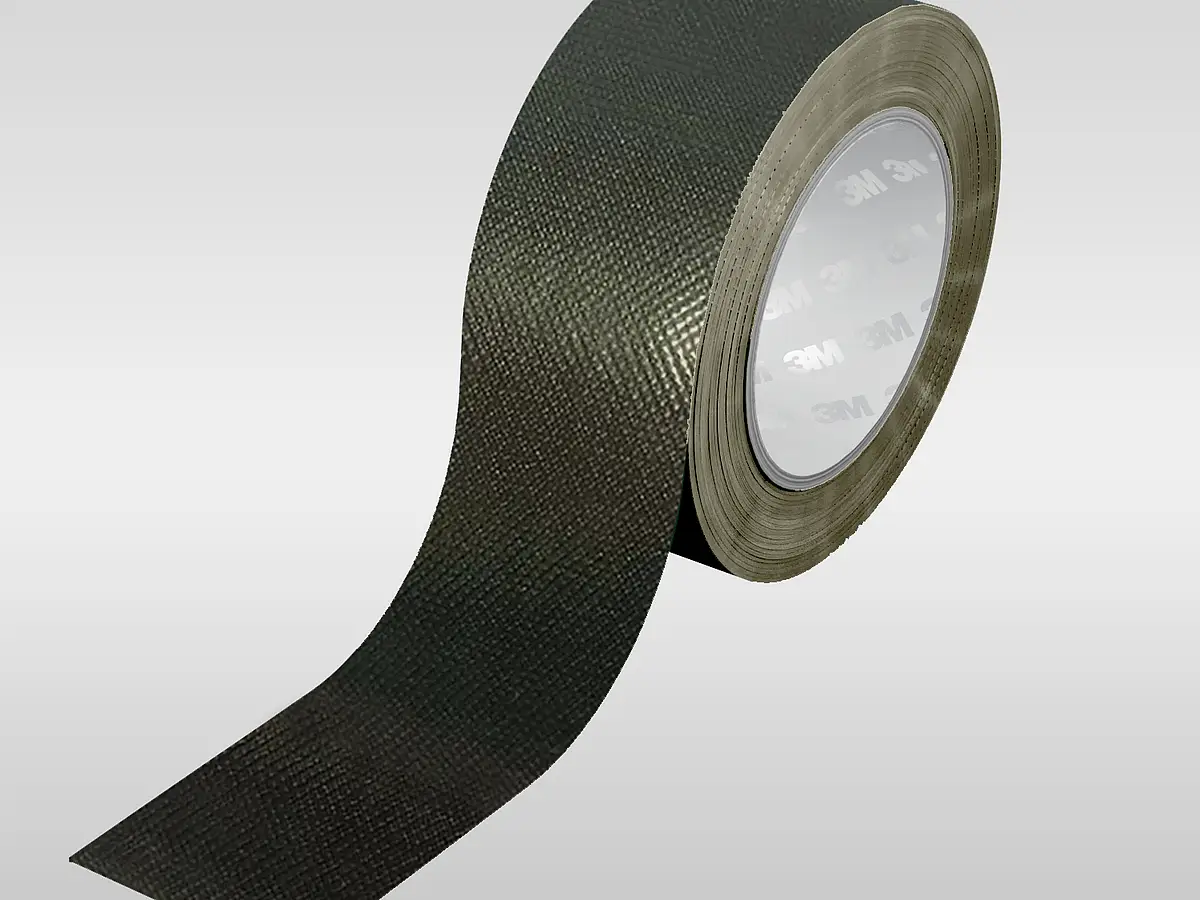
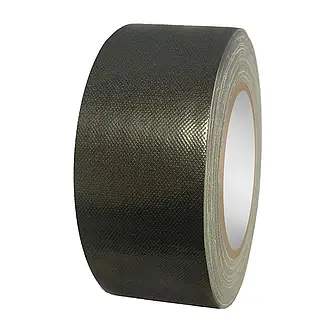
RK 7223 Heavy Duty Sandblasting Tape - 310 mm x 25 m - olive green
No products match this combination.
No products match all of the selected filter criteria.
03
CHOOSING SANDBLASTING MASKING
Choose paper, fabric or rubber for the component
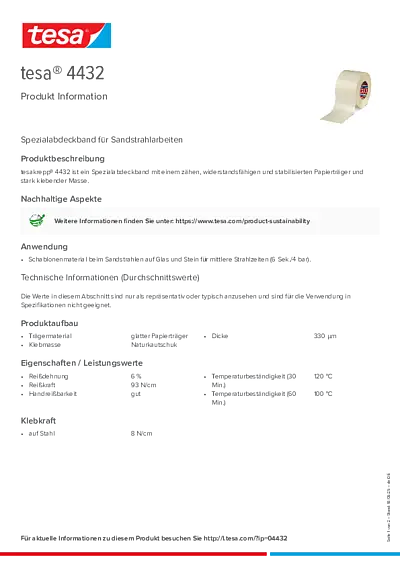
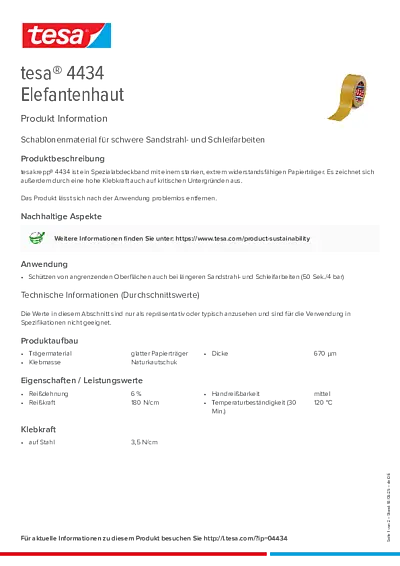
For medium blasting times on glass and stone, tesakrepp® 4432 can be used as a stencil material; its smooth paper backing carries a natural rubber adhesive. tesakrepp® 4434 Elefantenhaut can protect adjacent surfaces during longer blasting and grinding work. RK 7223 combines a particularly durable, flexible specialist fabric with a rubber adhesive. RK 450 instead has a rubber backing with an acrylic adhesive. These constructions offer different selection routes; suitability for the blasting medium, substrate and process must be checked for each product.
Component edges, radii and the required shape also matter for precise masking. Krückemeyer GmbH can cut suitable tapes and supply application-specific die-cut parts on request. Tell us the substrate, blasting process, area exposed to the blast and required delivery format; we will assess a suitable option before you use the masking in your process.
04
PRODUCT INFORMATION FOR BLASTING MASKS
05
QUESTIONS ABOUT SANDBLASTING TAPE
Which backing is suitable for blasting glass or stone?
For stencils on glass and stone, tesakrepp® 4432 may be suitable for sandblasting. It has a tough, stabilised paper backing and a natural rubber adhesive. For longer blasting and grinding work on adjacent surfaces, tesakrepp® 4434 Elefantenhaut may suit a more heavily loaded mask. Whether either tape suits your glass, stone and blasting medium depends on the actual process. Check the blasting process, component surface and product information before choosing a tape.
How do paper tape, specialist fabric and rubber backing differ?
The tapes differ mainly in their backings and adhesives. tesakrepp® 4432 and 4434 have paper backings, while RK 7223 combines specialist fabric with a rubber adhesive. RK 450 has a rubber backing and an acrylic adhesive. The specialist fabric in RK 7223 is durable and flexible, including under high loads. A shared use in sandblasting does not make these products interchangeable. The actual surface, contours and load in the blasting process determine the choice.
Can sandblasting tape be removed without residue after processing?
That must be checked for the selected product on the actual substrate. tesakrepp® 4434 may come off easily after use, but that cannot be assumed for other sandblasting tapes or sensitive surfaces. Adhesive, substrate, exposure time and processing conditions affect the result. Include removal in the selection process from the outset and test the application on the component before masking a larger area.
What information does Krückemeyer need for a cut roll or die-cut part?
Specify the substrate, the area to protect, its contours and the load during sandblasting. For converting, the required width or shape and the intended delivery format are also useful. Individual die-cut parts are available on request, and you can choose from different tape constructions and dimensions. We assess which starting material suits the task and the planned cut. The shape alone does not establish whether the finished masking part suits the actual blasting process.
06
Request advice
Describe the component, substrate, contours and blasting load. We will assess the appropriate sandblasting tape with you and whether a cut roll or die-cut part suits your process.
Discuss masking for your blasting process
You know the substrate and blasting task, but have not yet selected a tape construction? Send us your requirements or add specific products to the enquiry list.

SANDBLASTING MASKING ADVICE
Thomas Klein
Contact for products
Thomas Klein can discuss the substrate, contours and blasting load with you to assess a suitable mask.