

REFLECTIVE MARKING
Reflective tape and film for visible marking
Reflective materials make markings more visible when illuminated. Whether you mark rigid surfaces or process material for clothing, the backing, adhesive and application determine the choice.
01
Subcategory
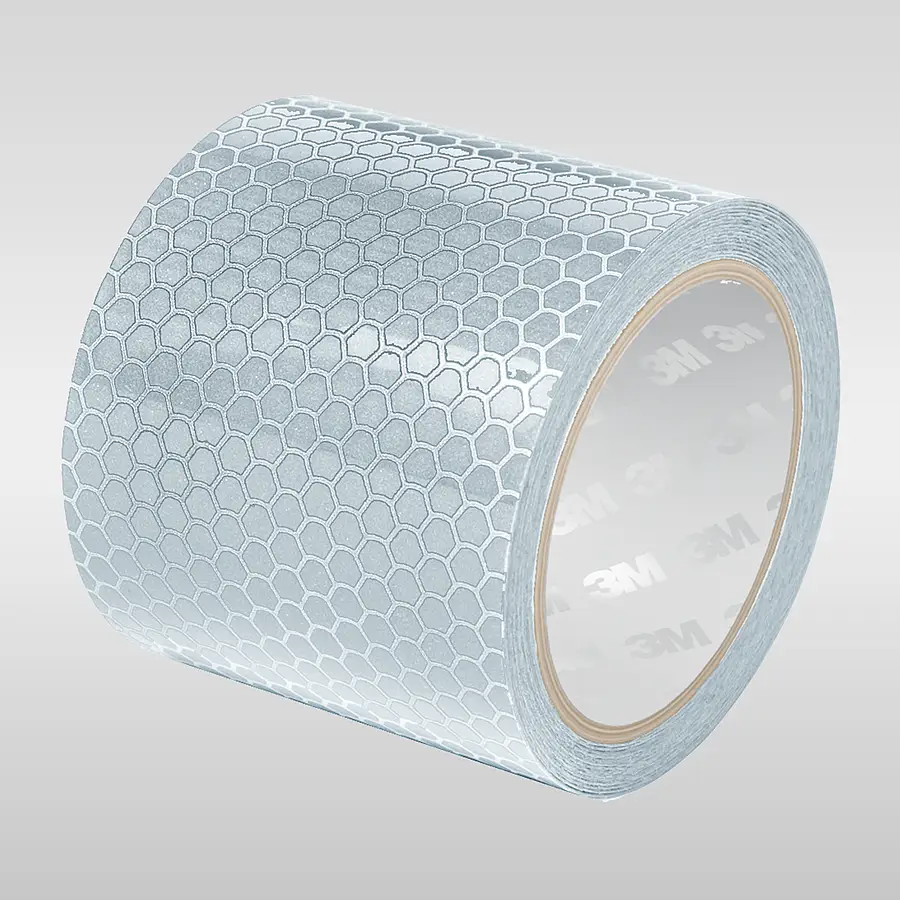
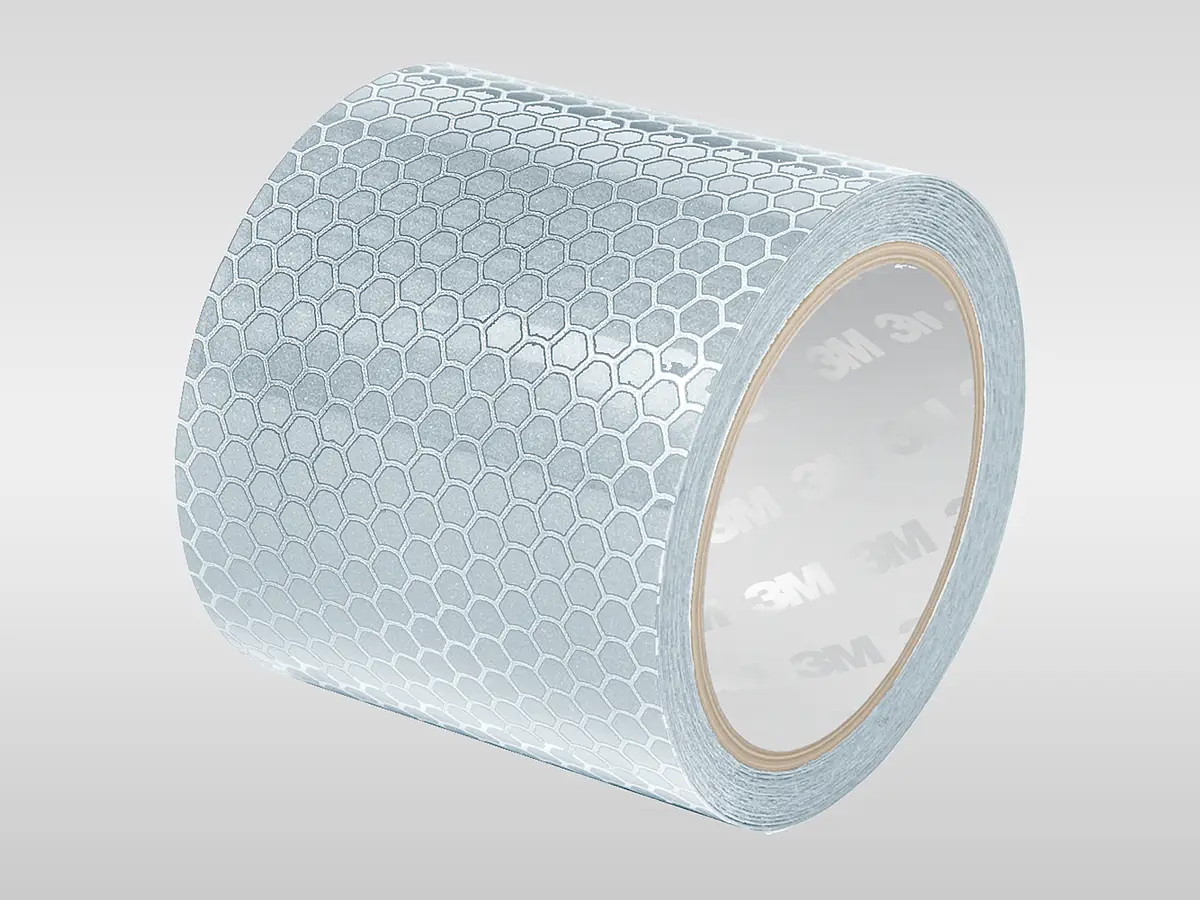
3M reflective tape
02
Selection criteria
Choose reflective material by application
First establish where the marking will be used: self-adhesive reflective film for rigid surfaces differs from reflective transfer film that is applied to suitable fabric with heat. Then assess the backing, surface, shape and planned process. Retroreflection requires illumination; the suitability of the finished application must be assessed separately.
03
REFLECTIVE MATERIALS IN THE RANGE
Reflective tape and films in the range
The range includes 3M reflective films and materials for different uses, including rigid markings and clothing. Each product page describes its construction and application.
No products found
No products are currently listed in this category. Request a call back and we will help you find the right product.
Request a callback04
REFLECTIVE MATERIAL SELECTION
Self-adhesive film or reflective transfer film?
For rigid markings, a self-adhesive reflective film suited to the substrate may be appropriate. For textiles, the manufacturer specifies reflective fabrics and heat-activated transfer films. Adhesive type, backing and processing method are not interchangeable properties.
Choose according to the actual use: substrate and surface condition, cut shape, wear and, where relevant, the care process. A material's reflective property is not a guarantee of visibility for the finished marking. Send us your application and required delivery format; we will assess suitable materials and converting options.
05
QUESTIONS ABOUT REFLECTIVE MATERIALS
What is the difference between reflective tape and reflective film?
Reflective tape usually refers to a strip-shaped form of reflective material, while reflective film describes a broader material group. The range includes self-adhesive films for rigid markings as well as reflective materials for clothing. The name alone is therefore less useful than the actual construction. Specify the substrate, the intended processing method and the required shape of the marking. The product information can then guide the selection for your application.
Is every reflective tape for clothing self-adhesive?
No. Reflective transfer films for clothing may have a heat-activated adhesive and are laminated to suitable fabrics. Other reflective materials are supplied as fabrics, while self-adhesive reflective films are intended for rigid substrates. These constructions should not be treated as equivalent simply because they reflect light. For textile applications, the base fabric, processing method and subsequent care procedure need to be considered together. The suitability of the finished garment must be assessed separately.
What information helps when choosing a reflective marking?
State the substrate, required shape and place of use. For rigid surfaces, the surface condition and bonding process matter; for clothing, the base fabric, processing method and care procedure are relevant. Also describe the expected wear and required delivery format. This helps determine whether self-adhesive film, reflective transfer film or another reflective material may be suitable. Technical requirements apply only to the specific documented product and its intended use.
Can reflective material be supplied as strips or shaped parts?
Suitable reflective materials can be cut or die cut. The manufacturer documents cutting and die cutting for individual reflective transfer films, while Krückemeyer's existing page describes precisely cut strips and other formats. Feasible shapes and delivery formats depend on the chosen material and its processing requirements. Provide the material, required geometry and application so that the converting option can be assessed for your particular case.
06
Request advice
Describe the substrate, use and required shape. Our adhesive technology team will review which reflective material and converting format suit your application.
Enquire about reflective marking for your use
Tell us the substrate, conditions of use and required delivery format. We will assess material selection and processing for your application.

REFLECTIVE MATERIAL ADVICE
Thomas Klein
Contact for products
Thomas Klein can help you select reflective material and agree on a suitable delivery format.