

ELECTRICAL INSULATION AND SEALING
Self-fusing insulation tape for cable connections
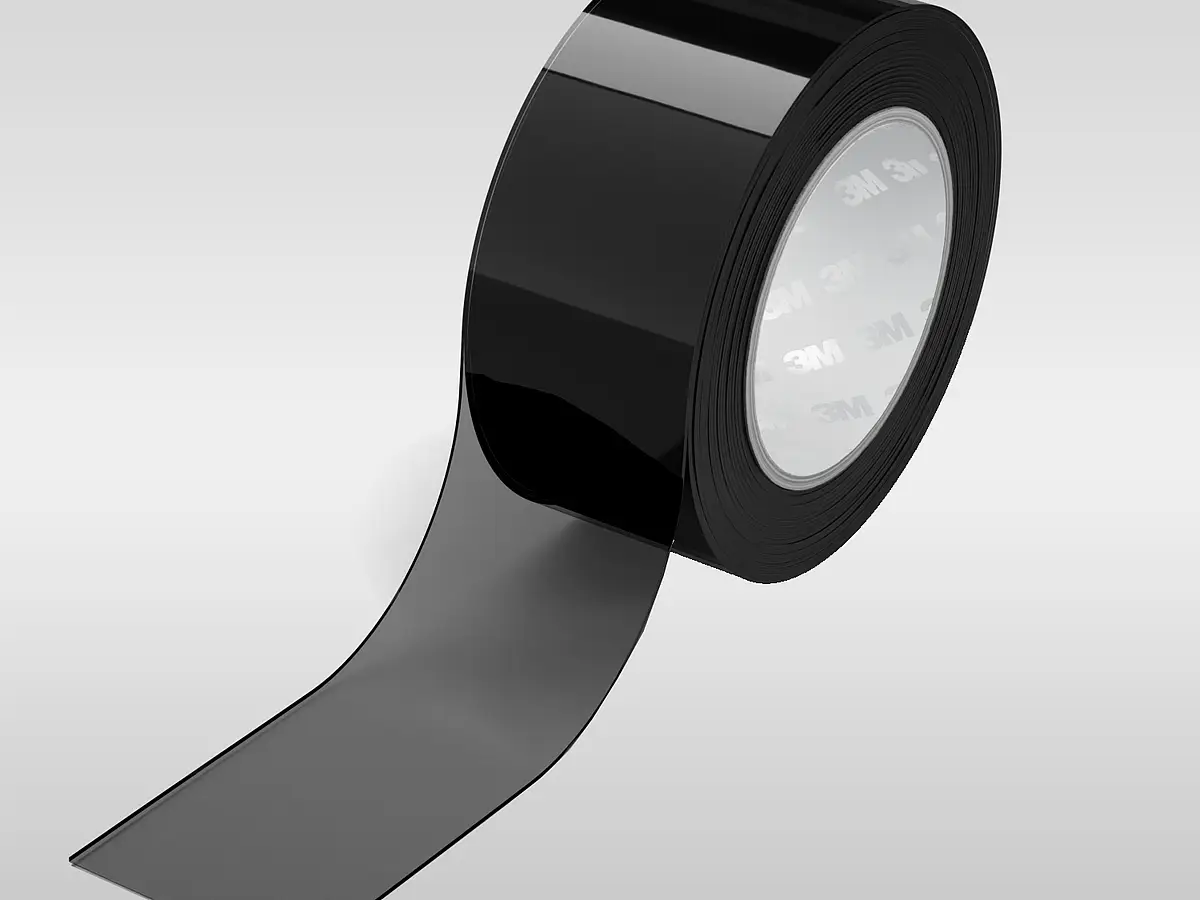
Self-fusing insulation tape joins its wrapped layers into a continuous covering. For cable connections, select it according to material construction, the shape of the joint and the required function; electrical suitability and moisture protection depend on the documented product and intended build-up.
01
Selection criteria
Select insulation tape by construction and task
First determine whether the wrap must provide electrical insulation, moisture sealing or both. The range includes rubber tapes, formable mastic tapes and silicone tapes. The shape of the joint, the intended wrap build-up and the service conditions also matter. Electrical ratings and resistance properties must be checked for the specific product and the complete application.
02
SELF-FUSING INSULATION TAPES
Self-fusing tapes in the range
The listing contains self-fusing rubber, mastic and silicone tapes. Check the product data for the relevant insulation or sealing task.
No products found
No products are currently listed in this category. Request a call back and we will help you find the right product.
Request a callback03
CABLE JOINTS AND WRAPPING
Which version suits the cable connection?
An EPR rubber tape such as Scotch 23 is described for primary insulation of cable splices. Scotch 2228 rubber mastic tape combines electrical insulation with moisture protection and cushions irregular connections. Formable mastic can fill voids; its use may require an additional outer wrap. Silicone tape is another option whose suitability must be checked against the specific product. Compare the cable jacket, geometry, service conditions and complete layer build-up. Include these details in your enquiry so that we can discuss the appropriate tape width and converting for your process.
04
QUESTIONS ABOUT CABLE INSULATION
What does self-fusing mean for insulation tape?
When a tape is designed to self-fuse, its applied layers join together to form a continuous covering. This describes the bond between the tape layers; it does not automatically establish suitability for every electrical voltage or sealing task. A rubber mastic tape may also have a coated adhesive side. Check the construction of the specific product and the manufacturer's information before selecting tape for a cable connection.
How do rubber tape and mastic tape differ in cable insulation?
A self-fusing EPR rubber tape such as Scotch 23 is described for primary insulation of cable splices. A rubber mastic tape such as Scotch 2228 combines an EPR backing with a mastic coating and also serves moisture protection and the cushioning of irregular connections. They cannot be treated as generally interchangeable. The joint shape, intended layer build-up and requirements for the specific product determine the choice.
Is one self-fusing tape enough to protect a cable connection?
That depends on the connection and the intended build-up. Manufacturer examples combine self-fusing or formable tapes with an outer vinyl insulation tape that gives the wrap additional protection. A single tape should therefore not be assumed to replace the complete assembly. Clarify the cable jacket, installation location, moisture exposure, mechanical stress and documented electrical suitability of each product before deciding on protection.
What information does Krückemeyer need for selection and converting?
Specify the type of cable connection, the cable jacket, its shape and the purpose of the wrap: electrical insulation, sealing or both. Also describe the service environment, application process and required tape width or delivery form. This allows us to assess which listed product may be suitable and whether cut tape would help installation. Suitability is evaluated for the specific material and complete build-up.
05
Request advice
Describe the cable, the connection, the service environment and the planned wrap build-up. Krückemeyer GmbH will discuss the suitable version with you and assess whether cut tape would help your process.
Discuss tape for your cable connection
Tell us about the electrical and mechanical task and how you plan to apply the tape. We can discuss product selection and possible converting based on your details.

ADHESIVE TECHNOLOGY FOR CABLES
Thomas Klein
Contact for products
Discuss the connection, wrap build-up and required delivery form with Thomas Klein.