

GLASS FABRIC BACKING
Glass fabric tape for sealing and wrapping
Glass fabric tapes combine a glass fabric backing with adhesives and surfaces that vary by product. Choose the tape according to your task, substrate and the conditions during application and use.
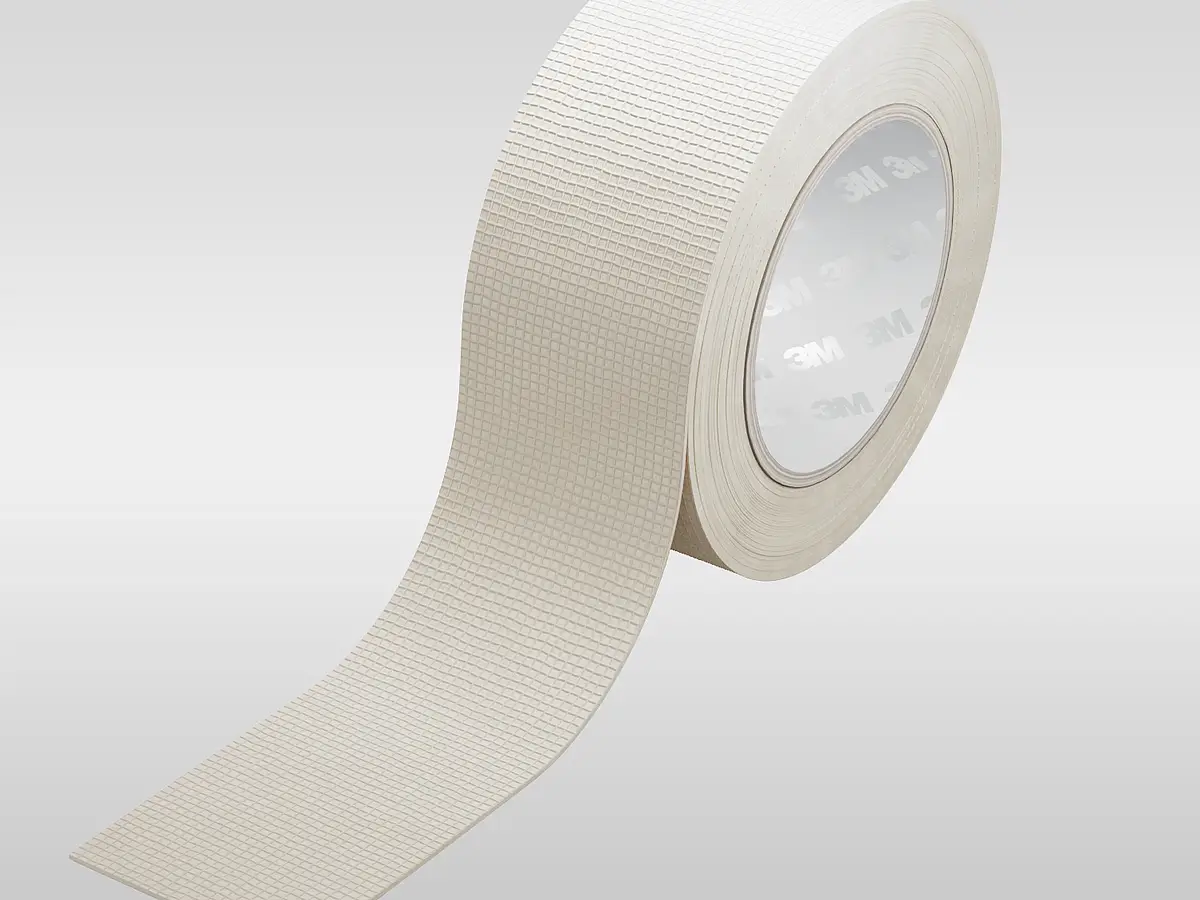
01
Selection criteria
Which construction suits your application?
Start with the task: does the tape need to seal, bundle or wrap, or is a low-friction surface required? Then compare the backing, adhesive and, where applicable, coating of the specific product. A glass fabric backing alone tells you neither how the tape will adhere to your substrate nor what temperature the entire adhesive bond can withstand.
02
GLASS FABRIC TAPE RANGE
Glass fabric tapes for different tasks
The range includes glass fabric tapes with different adhesives and surfaces. Compare the product data for your application and the dimensions you need.


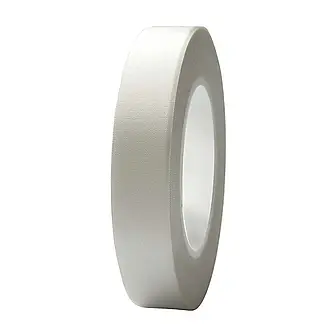
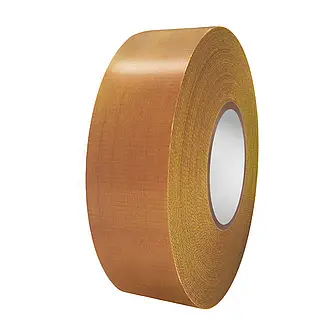


No products match this combination.
No products match all of the selected filter criteria.
03
GLASS FABRIC TAPE SELECTION
Assess backing, adhesion and surface separately
The glass fabric backing may suit mechanically stressed wrapping and masking tasks. Adhesion, however, depends on the adhesive and the prepared surface: the range includes versions with silicone, rubber-resin and acrylic adhesives. A PTFE-coated version serves a different purpose from a tape used for sealing or bundling. Always check operating temperature, contact surface and later removal for the product selected.
For a suitable cut format, tell us the substrate, stresses, application steps and required width or shape. We will assess the material and supply format for your application.
04
QUESTIONS ABOUT GLASS FABRIC TAPE
What is glass fabric tape used for?
Depending on the product version, glass fabric tape can be used for sealing, bundling and wrapping. For glass fabric tape 361, the manufacturer specifically lists high-temperature pipes and chambers as applications. The range also includes coated versions for low-friction surfaces. The task at the contact point is therefore decisive: describe the substrate, stresses and application process before choosing a product version. A shared glass fabric backing does not mean that all tapes are suitable for the same uses.
How do adhesives differ among glass fabric tapes?
The adhesive depends on the specific product construction. The range includes silicone adhesive on glass fabric tape 361, rubber-resin on 365 and acrylic adhesive on 398FR. These differences affect the conditions for adhesion and processing; the glass fabric backing alone does not determine them. Check the adhesive in the product data together with your substrate and intended process. A specification for one tape must not be applied to the entire category.
Is every glass fabric tape suitable for high temperatures?
No. The permissible temperature is a property of a specific product under defined conditions of use. The manufacturer's datasheet for glass fabric tape 361 distinguishes continuous exposure from short-term exposure; that specification cannot be transferred to other adhesives or coated versions. The behaviour of the adhesive bond also depends on the surface, stresses and application. Compare the current datasheet for the tape selected with your process and test the application on the component.
What matters when applying glass fabric tape?
The surface must suit the product selected for a sound adhesive bond. For glass fabric tape 361, the manufacturer's datasheet requires a dry, solid surface free of dust, grease, oil and release agents, as well as sufficient pressure for full contact. Compatibility with plastics needs separate checking. Tell us the substrate, geometry and application steps if you need a suitable cut format or another supply format.
05
Request advice
Describe the substrate, function, stresses and application process. We will review the appropriate glass fabric tape version and required supply format with you.
Select glass fabric tape for your task
Talk to us about material, adhesion and cut format for your application.

GLASS FABRIC TAPE ADVICE
Thomas Klein
Contact for products
Discuss the substrate, application and required supply format with Thomas Klein.