
PTFE · ROLLERS AND ROLLS
PTFE adhesive tape for rollers
PTFE adhesive tape can reduce friction at surfaces and limit sticking during a process. The construction matters: a PTFE film or PTFE-coated glass cloth, together with the adhesive and conditions of use.
01
PTFE tapes by manufacturer
3M PTFE tape
tesa PTFE tape
02
Selection criteria
Choose PTFE adhesive tape by backing and task
First establish whether you need a smooth sliding or release surface and what mechanical stress occurs at the point of use. The range includes PTFE film tapes and PTFE-coated glass cloth tapes. Then compare the adhesive, substrate, shape and processing method. Temperature ratings apply to the specific product; check its specifications before making a choice.
03
PTFE adhesive tapes in the range
PTFE adhesive tape range
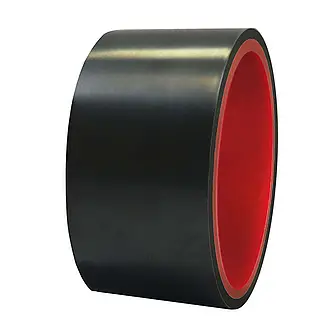
The listing shows PTFE adhesive tapes for sliding and release tasks. Check each product's construction and specifications against your application.

No products match this combination.
No products match all of the selected filter criteria.
04
Choosing PTFE adhesive tape
Which construction suits the sliding surface?
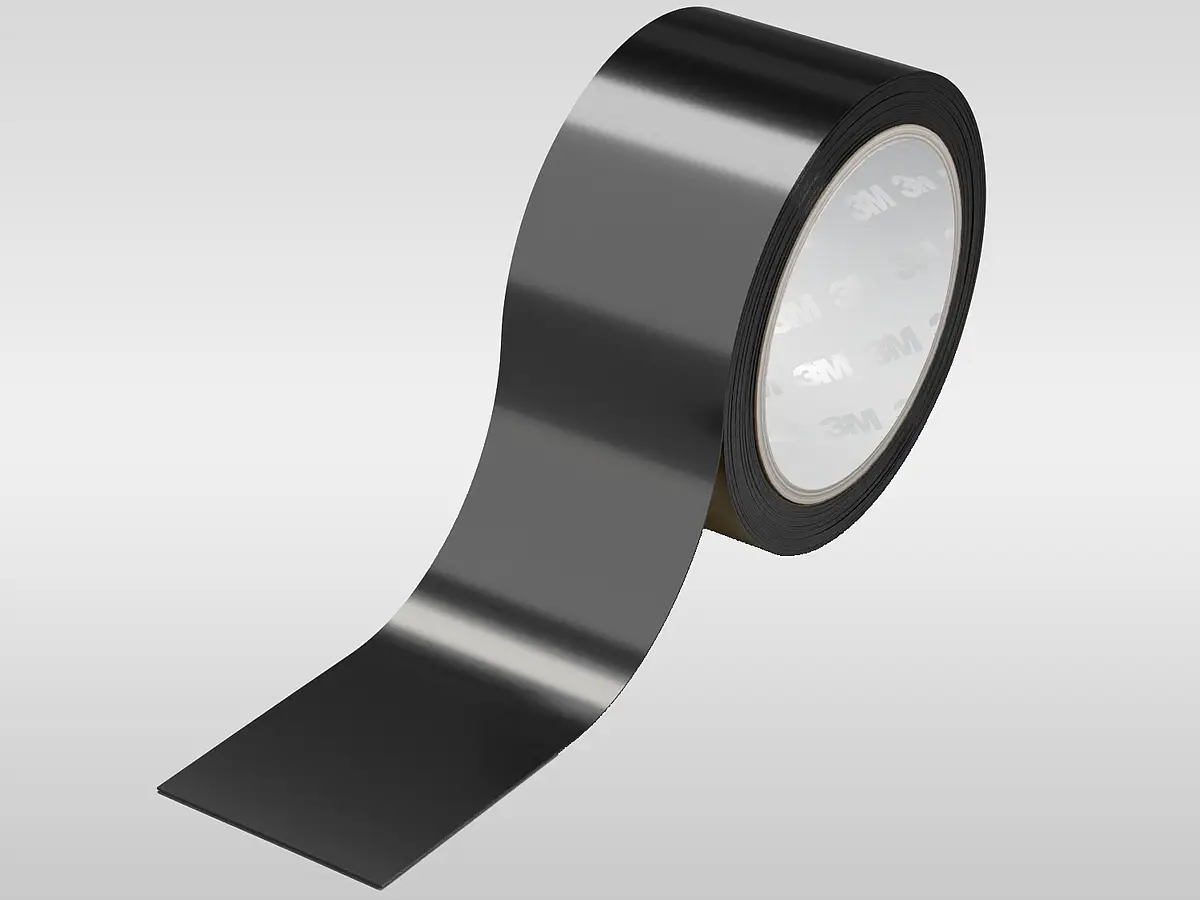
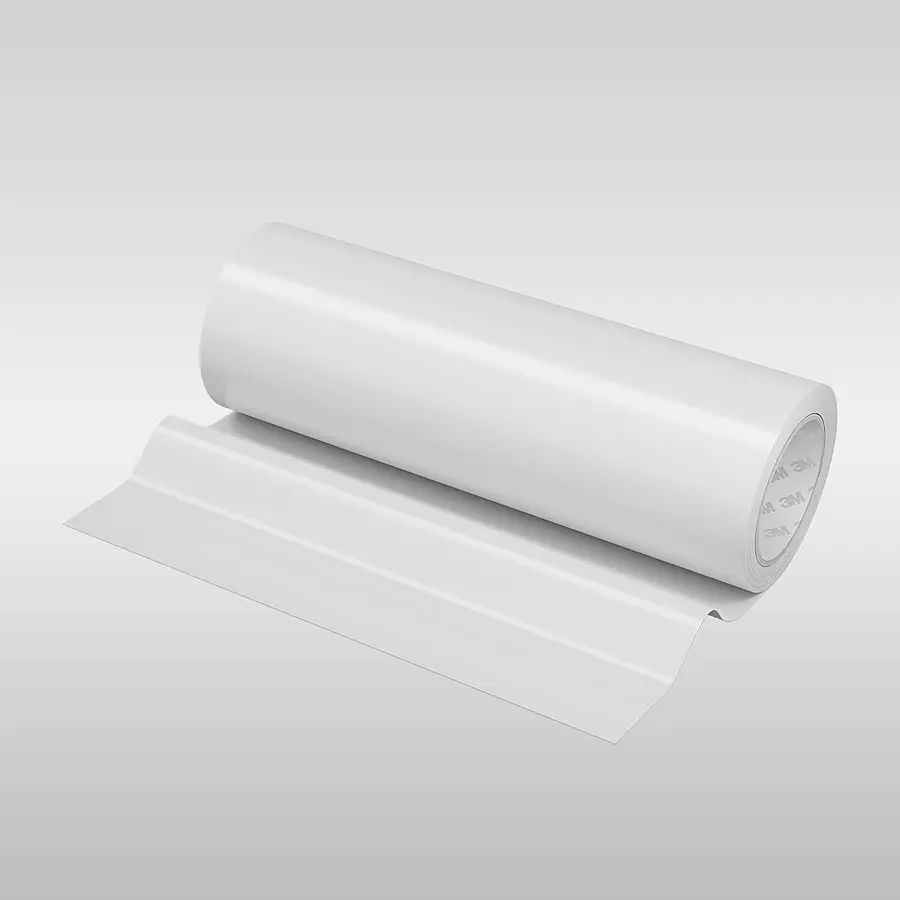
PTFE film provides a smooth surface; PTFE-coated glass cloth includes a woven backing. 3M PTFE film tapes can serve as sliding or release coatings on rolls, rollers and conveyor belts. Depending on the tape construction, PTFE-coated glass cloth may suit conveying systems, packaging equipment and plastic film sealing machines. Whether a tape suits your equipment depends on the substrate, contour, frictional contact, mechanical load and process conditions.
If the roll width or shape needs to fit your workflow, describe the component, surface and required delivery format. Krückemeyer GmbH will review the tape choice and application-specific converting.
05
Questions about PTFE adhesive tape
How do PTFE film and PTFE-coated glass cloth differ?
PTFE film tapes have a PTFE film backing; in PTFE-coated glass cloth tape, the woven glass cloth forms part of the construction. Both product types can provide sliding and release surfaces. The glass cloth products 3M 5451 and 5453 can also be considered for mechanically stressed surfaces. Selection therefore depends on the actual load, the shape of the surface, the adhesive and the data for the specific product. The backing name alone establishes neither adhesion to your substrate nor suitability of the complete bond.
Where is PTFE adhesive tape used as a sliding or release lining?
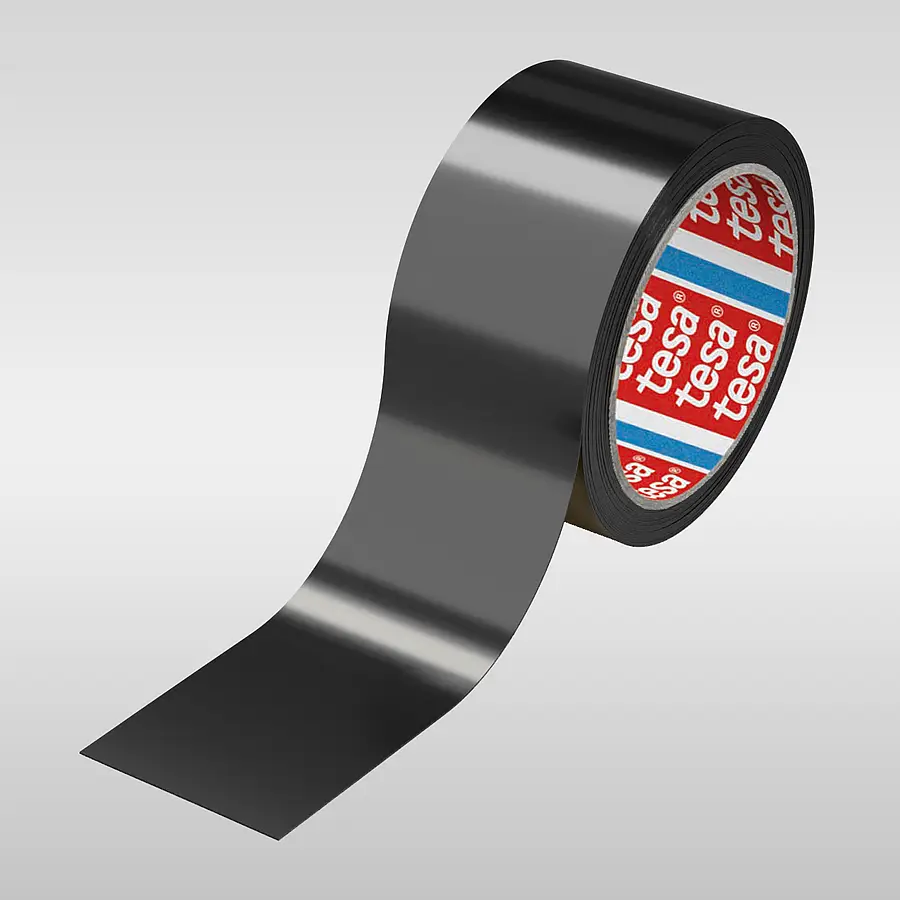
Depending on the tape construction, PTFE adhesive tapes may serve as sliding or release linings on rolls and rollers, in conveying and transport areas, and on packaging equipment and plastic film sealing machines. tesa 4820 may also suit roller wrapping in an extrusion process. Whether a tape suits your surface or machine depends on the mating material, movement, contour, ambient conditions and intended function. The data for the specific PTFE adhesive tape can then be checked against your application before a format is recommended.
What should I include when enquiring about converted PTFE adhesive tape?
Specify the component and substrate, the area to be covered, the sliding or release purpose, and the stresses during processing and use. Include the required width, contour and delivery format. Krückemeyer GmbH converts suitable materials for the application; whether a particular PTFE adhesive tape can be slit or supplied in another format is reviewed against the material and your requirements. State any known temperature or chemical exposure so the product-specific data can be checked.
06
Request advice
Describe the surface, movement and delivery format you need. Our adhesive technology team will review the appropriate PTFE tape construction and possible converting with you.
Enquire about PTFE tape for your process
Tell us about the sliding surface, substrate and processing requirements. We will review a suitable tape construction for your application.

PTFE TAPE ADVICE
Thomas Klein
Contact for products
Thomas Klein will discuss the surface, stresses and suitable PTFE tape format with you.