
MASKING FOR PAINTING
Masking tape for painting in industrial processes
A precise paint edge starts with masking tape suited to the surface, contour and process. Compare backing, adhesion and removability; Krückemeyer GmbH can help you select the tape and a suitable supply format.
01
Selection criteria
What must the tape do during painting?
Start with the surface to be protected and the paint edge you need. A conformable film backing may suit tight curves; paper masking tapes and large-area masking solutions serve different purposes. The steps before removal also matter: adhesion during painting, exposure during drying and removal from the actual surface. Temperature and removability claims apply only to the specified product under its stated conditions.
02
MASKING TAPES FOR PAINTING
Masking tapes for painting in the range
The range shows products assigned to this painting category from 3M, Krückemeyer and tesa. Individual product data describe the backing, adhesive and intended application.
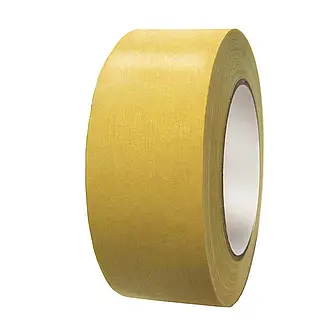
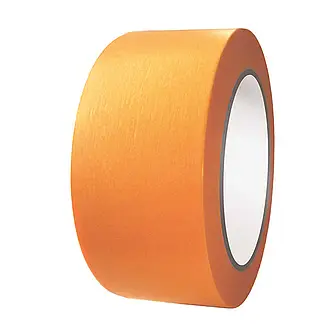
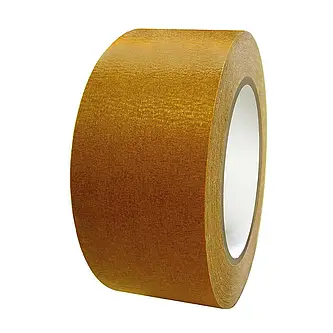
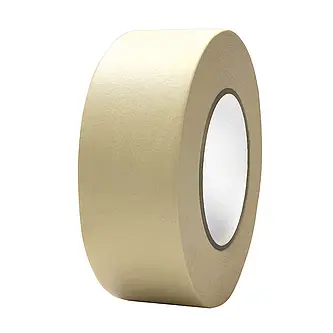
No products match this combination.
No products match all of the selected filter criteria.
03
PAINT EDGES AND REMOVAL
Choose for contour, surface and removal
In design and two-colour painting, narrow fine-line tapes can guide the colour boundary around curved contours. Large-area masking and temporary closure call for other tape and masking formats. Here, masking tape and painting tape describe the protective task during painting, rather than one technical class. Backing, adhesive and behaviour after drying vary by product.
Clean removal cannot be promised across the range: it depends on the tape, surface and process. Tell us about the paint system, geometry, application and planned removal time. For recurring contours, we can assess whether cut tape or a die-cut part would help with application.
04
PAINTING TAPE QUESTIONS
How do masking tape and painting tape differ?
Both terms can describe temporary protection of a surface during painting. Neither specifies one technical construction. Selection depends on the backing, adhesive, surface to be protected and sequence of process steps. Tape for a narrow paint line has a different task from a large-area cover. Check the specific product information and its intended removal conditions before choosing.
Which masking tape suits curved paint edges?
A conformable fine-line tape designed for that task may suit tight and curved contours. The documented tesa 4185 uses a flexible PVC backing and is described for fine paint separation and complex shapes. Suitability for your contour still depends on the surface and painting process. Share the geometry, line you need and conditions at removal so the product can be assessed for your application.
When can painting tape be removed cleanly?
That can only be assessed for a particular product on the intended surface. Residue-free removal from painted and unpainted surfaces is stated for tesa 4185; it is not a claim for every masking tape. The time before removal and the steps in the painting process must also match the product specification. Test the selected combination on the actual component before series use.
What information helps with converting masking tape?
Specify the surface, paint system, contour, area to be covered, processing steps and planned time of removal. Add the required supply format, dimensions or a drawing of the geometry to be masked. Krückemeyer GmbH can convert suitable source materials into cut rolls or die-cut parts. Material and application must be assessed together to confirm that the chosen shape and tape work in the painting process.
05
Request advice
Tell us about the surface, painting and drying steps, and the contour you need. We can assess suitable masking tapes with you and whether a cut roll or die-cut part fits your process.
Discuss masking tape for your painting process
Send us your requirements for the surface, paint edge and removal. If you have selected a product, you can use the enquiry list.

ADVICE ON ADHESIVE TECHNOLOGY
Thomas Klein
Contact for products
Thomas Klein can discuss the surface, contour and process conditions for your masking application.