

ADHESIVE TECHNOLOGY · HEAT-EXPOSED PROCESSES
Heat-resistant adhesive tape for industrial applications
Choose heat-resistant adhesive tape according to the temperature at the component and its task in the process. Backing, adhesive and exposure time together determine whether a specific tape is suitable for masking, bundling or protection.
01
Selection criteria
Check backing, adhesive and heat exposure
First define whether the tape should reflect heat, mask components during a manufacturing step or remain bonded under heat exposure. Then compare the backing and adhesive of the specific product as well as the duration of exposure. A heat-resistant backing alone does not establish the suitability of the entire adhesive bond.
02
HEAT-RESISTANT ADHESIVE TAPES
Heat-resistant adhesive tapes in the range
The range includes tapes with different backings, adhesives and functions under heat exposure. Check the product data for your application.
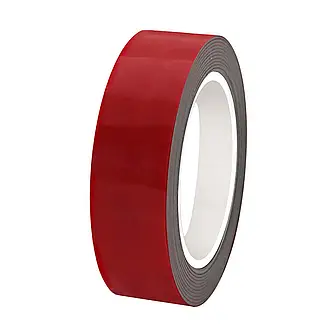

Double-sided tape
Iguna HT - High Temperature Acrylic Foam - 0.8 mm Thickness - 900 mm x 33 m
Double-sided tape
Iguna HT - High Temperature Acrylic Foam - 1.2 mm Thickness - 900 mm x 33 m


No products match this combination.
No products match all of the selected filter criteria.
03
SELECTION FOR HEAT-EXPOSED PROCESSES
Which heat-resistant adhesive tape suits the task?
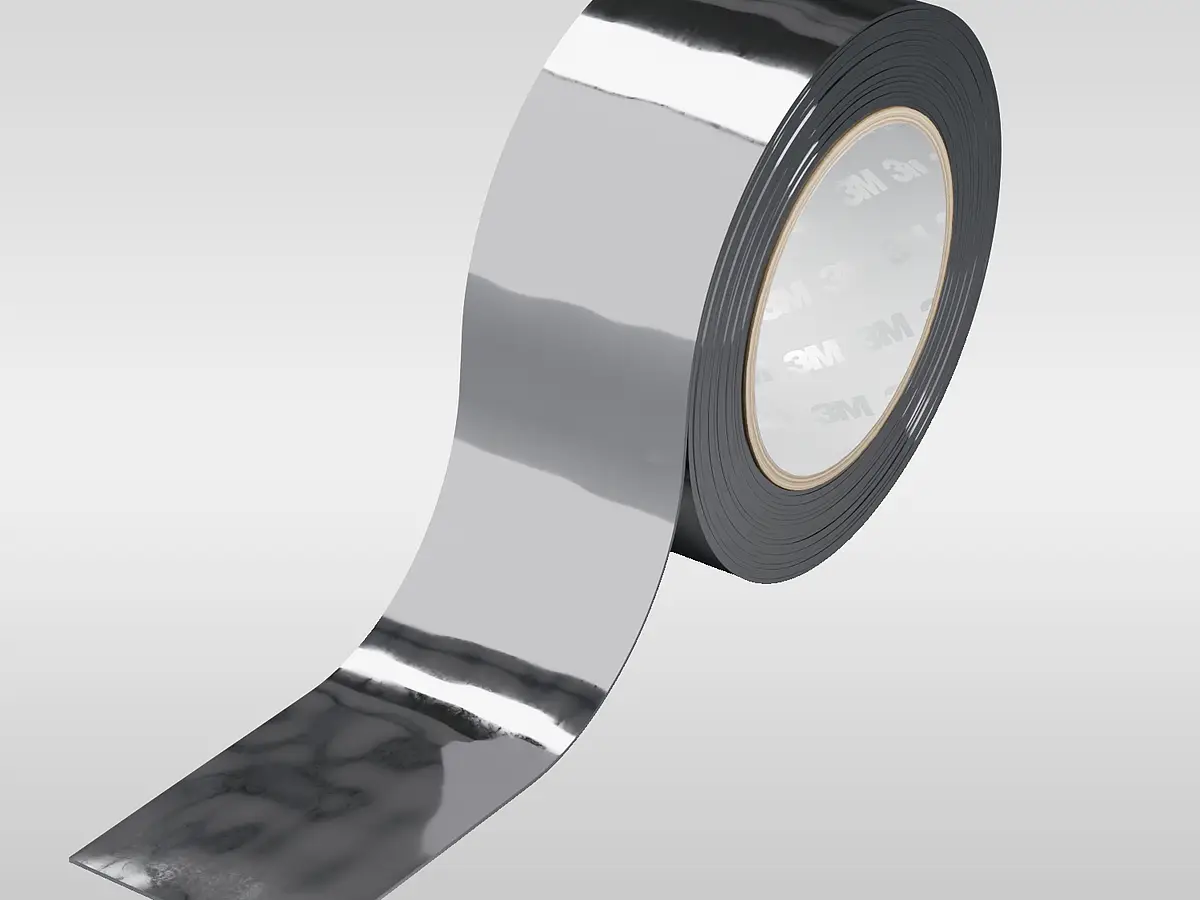
For reflective protection and masking during plasma spraying, the data sheet for 3M aluminium-glass cloth tape 363 specifies an aluminium-glass cloth backing with silicone adhesive. Glass cloth tape 398FR, by contrast, combines glass cloth with an acrylic adhesive; its flame-retardant property is specific to that product. These examples do not establish a property for every tape in this category.
For selection, specify the substrate, temperature profile, exposure time, geometry and required delivery format. Krückemeyer GmbH will review the product choice with you and whether a slit roll or die cut suits your process.
04
QUESTIONS ABOUT HEAT RESISTANCE
What temperature can heat-resistant adhesive tape withstand?
That depends on the specific product and the duration of exposure. A general limit for heat-resistant adhesive tape would be misleading because backings, adhesives and constructions differ. The data sheet for 3M aluminium-glass cloth tape 363 states an operating temperature range for that product alone. For your application, the temperature at the bond, substrate and mechanical load also matter. Compare the selected product's specifications with the conditions at the bond before drawing conclusions about the suitability of the complete joint.
When is aluminium-glass cloth tape useful?
Aluminium-glass cloth tape may be suitable when a reflective surface is needed alongside heat resistance. In 3M tape 363, glass cloth is laminated with aluminium foil and coated with a silicone adhesive. The tape is used, among other things, for masking during plasma spraying and for heat-reflective protection. Whether the tape bonds to your component also depends on the surface, application method and service conditions. A metallic surface alone is not enough to assume that the tape provides electrical shielding or a particular fire performance.
Are heat-resistant and flame-retardant the same?
No. Heat resistance describes a product's use under thermal exposure; flame retardancy describes its fire performance. Whether a tape meets both requirements depends on the specific product. 3M glass cloth tape 398FR uses glass cloth and acrylic adhesive; the tape is flame-retardant. This property cannot be assumed for other glass cloth tapes or the category as a whole. If your process requires specific fire performance or compliance with a standard, include that requirement in your enquiry. We can then check whether the selected product meets it.
What details does Krückemeyer need for a slit roll or die cut?
State the chosen tape or required function, substrate, temperature profile and exposure time. For the delivery format, describe the width, shape, component geometry and your processing step. Krückemeyer GmbH can supply adhesive tapes as rolls in individual widths or as die cuts. We use your details to assess which material and format options may suit your application.
05
Request advice
Describe the temperature profile, substrate, exposure time and the tape's task. We will discuss suitable product selection and a delivery format matched to your application.
Enquire about heat-resistant tape for your process
Tell us about the component, heat exposure and required format. We will review a suitable solution for your application.

HEAT-RESISTANT TAPE ADVICE
Thomas Klein
Contact for products
Thomas Klein will discuss heat exposure, the substrate and the suitable tape format with you.